
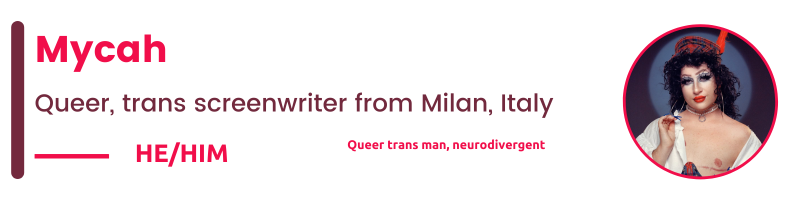
I've always tried to date cis people, I gave it a real go. But something never quite fit, and for a long time I thought that was my problem to fix.
It was when my partner came out as trans in late 2024, two years into our relationship, that everything fell into place. Now, I can’t imagine love in any other way.
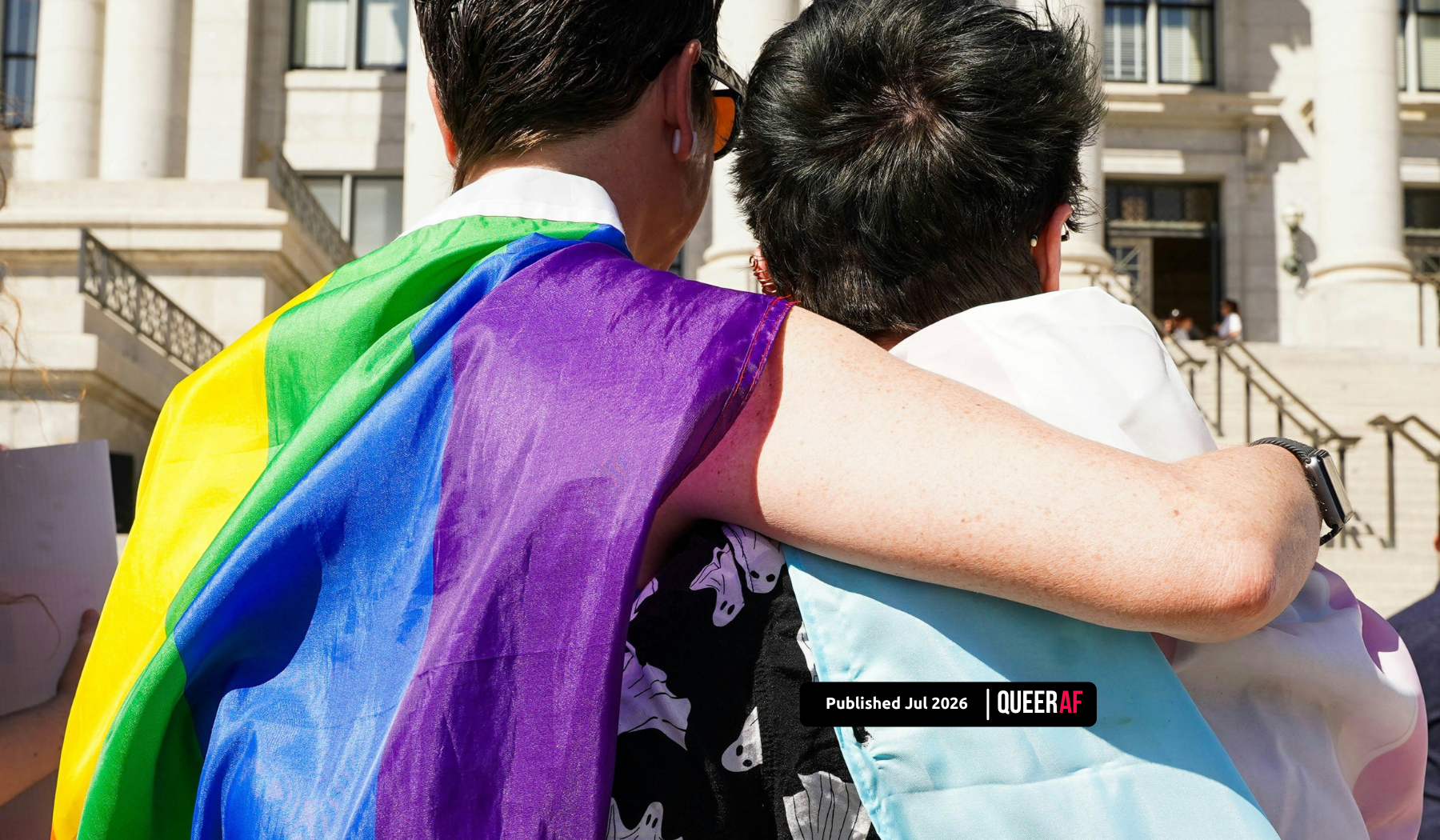
I’m not alone in this: as anti-trans legislation is breaking records in the US and UK, looking for love in our community can feel daunting. It's hard not to look to ‘t4t’ relationships where all partners are Trans+, as a response to that.
As a bisexual trans man, my options on paper look broad, but in practice it’s more complicated than this.
In the dating scene (be it in real life or on apps), research consistently shows trans people face fetishisation and reduction to their anatomy, treated as a curiosity rather than a person, and trans men especially are often used by straight-identified cis men as a way to experiment with other men without disavowing their heterosexual identity.
With straight and bi cis women, the dynamics shift but the exhaustion doesn't. Height becomes a deal breaker, and a lot of trans men don’t fit that criterion. Studies show women, including bisexual women, apply the same height expectations to male partners regardless of gender identity.
These aren't universal rules, as plenty of cis people navigate these spaces with care and are trans inclusive, but the pattern is consistent enough to wear you down. It's a small thing that lands heavy when your body is already something you've had to fight for.
For many trans people, t4t relationships offer a form of mutual understanding that can be difficult to find elsewhere.
Trans experiences are wildly varied, but we know what it is to feel dysphoria and euphoria (that particular joy of finally belonging in your body.) These aren't easy things to explain to someone who has never had to question their identity.
Interviewees in a 2025 research described this feeling as a shared understanding that didn't even need to be spoken aloud. Another study focused specifically on trans women added that the freedom from having to explain or defend your trans identity to a partner was central to experiencing genuine pleasure and ease.
This shows up in my relationship as well: being both trans but opposite genders means we’re able to handle each other’s worst moments without triggering something in the other. That's not something I've easily found elsewhere.
So, whether t4t's growing visibility reflects preference, politics, or simply the search for relief, it points to something many trans people seek: the beauty of being able to just exist.
Get the Queer Gaze in your inbox each week with our free weekly newsletter or pitch to write an edition for us now.
We deserve good news too.
When there is so much hate out there, it's easy to get swept up in the doom.
QueerAF doesn't do that. We sprinkle in the joy that is the lifeblood of why being LGBTQIA+ is so simply wonderful.
And in the newsletter where this was first published, there was actually a bunch of positive news to celebrate. It shows me that despite the headlines knocking us down, we're getting right back up again and using our anger to fuel our fight.
While the rest of the media cashes in on hate about us, we can focus on queer joy - because you drive us. The community. QueerAF readers - not advertisers.
Our members directly fund our content. When you sign up, you get to have your say on how your funds are used. On what content we should commission.
But we turn down advertising and sponsorships in this newsletter so we can focus on delivering on content for you, not just clicks. That's why we need you to sign up to become a QueerAF member.
You'll join hundreds of awesome queer as f**k members who ensure we can keep our unique approach to queer content happen. If you want to see the media cover more stories about the joy in our lives - please, consider a membership. We can't run our outlet without you.