
TL;DR: Liquidators for Manchester Pride are selling key assets including the brand, it's arts festival, social media accounts and ticket purchase customer data to recover the over £230,000 debt the charity had when it entered voluntary liquidation. Community groups tell QueerAF "there is something daunting in seeing, what should be a symbol of pride and liberation, being sold to the highest bidder."
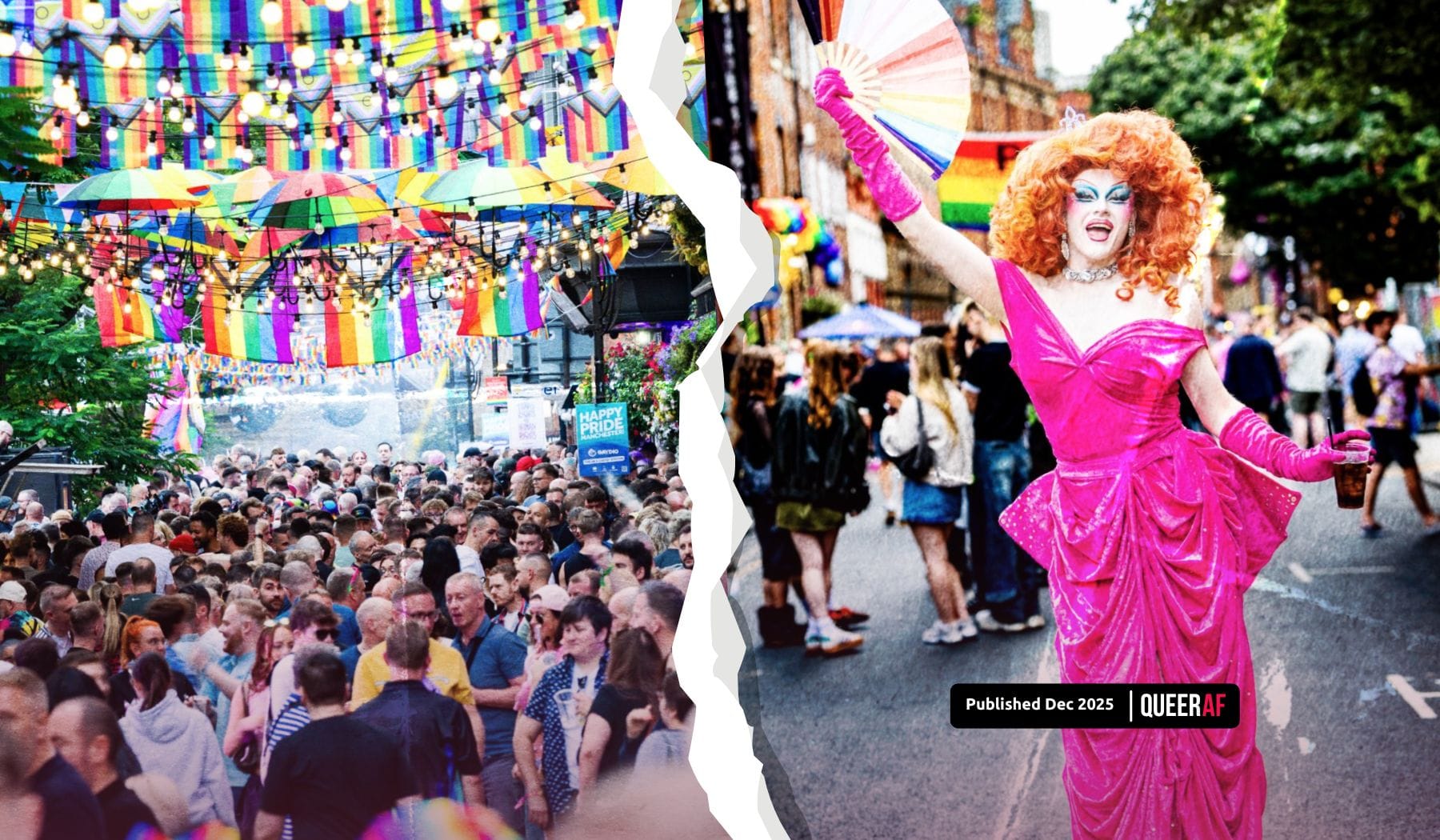
Assets of the organisations behind Manchester Pride are now up for sale as liquidators seek to recover the £230,000.56 debt the charitable organisation owed when it entered voluntary liquidation in October 2025.
Gordon Brothers is now seeking bids for the brand's key intellectual property assets.
The trademarks being sold include the Manchester Pride & Mardi Gras brand names, website, content, merchandise and social media accounts. It is also selling a customer database of historical ticket sales.
The opportunity pack seen by QueerAF lists it as a "culturally significant" event that has been held annually since 1985.
After the liquidation was announced, Greater Manchester Mayor Andy Burnham described it as a "sad and regrettable" situation and said the event's future would rest with Manchester City Council. Its leader, Bev Craig, promised it will work on ensuring the event continues next year - Manchester Evening News
Manchester's Trans+ Pride, which has been run as a grassroots, protest-oriented event, set out that any future direction of the event should be decided by "local groups, organisers, and individuals to work together on developing a sustainable, community-centred future for pride movements in our city."
Speaking to QueerAF a spokesperson for Trans Pride Manchester expressed concerns about the sale: "In recent years, the downsides of the corporate nature of Pride have become more and more apparent.
"The liquidation of Manchester Pride could be - or could have been - an opportunity to invest in the communities it's pledged to serve. On top of the lack of resources our community is experiencing - between donors, sponsors and organisations not having the capacity or risk appetite to support trans and queer folks - there is something daunting in seeing what should be a symbol of pride and liberation being sold to the highest bidder."
Why did Manchester Pride enter voluntary liquidation?
Manchester Pride Limited, a registered charity, announced voluntary liquidation due to "financial difficulties". It set out how, despite efforts to secure funding and reduce costs, it was unable to recover. It added that an unsuccessful bid to host EuroPride added to its financial woes.
Analysis by the popular local newsletter The Mill suggests that EuroPride was "the last roll of the dice" for a team that had hedged all its survival bets on attracting the additional revenue and sponsorship that come with it. It was instead awarded to Clare and Limerick in Ireland, and it was reported days later that the organisation had run out of money - The Mill
The decision to liquidate was preceded by months of complaints from drag acts and other performers, that they had been unpaid for the 2025 event, which for years has taken place over the August Bank holiday weekend - Secret Manchester
And the event had been in trouble for a number of years, because of rising sentiment against the way it had been run. From soaring artist costs, to pulling out of supporting two well-loved Manchester-based charities, to the CEO earning a salary of over £100K, while only 3% of revenue going to LGBTQIA+ causes.
Analysis: Did big, flashy, corporate pride events ever have value?
During my queer activism awakening in the late 2000s, I remember celebrating, with great awe, when global brands changed their logos to Pride colours in June. It was seen as a considerable victory, at a time when workplace rights were still not even fully enshrined, as would come in the 2010 Equality Act.
How far we've come since then. Amid an era of generally inclining rights, at least in the UK, for LGBTQIA+ people, corporate support came with incredible wins. It allowed grassroots groups to grow and access funding, sponsorship, and cash, creating critical services until the pivotal summer of Trans+ awareness following Caitlyn Jenner's Vanity Fair cover.
In the preceding years, as anti-trans hysteria took root in the newspapers, and eventually grew into forming a shiny new distraction tool for failing politicians, our shine to corporates began to fade, and the retreat of the benefits with it. At the same time, within our community, we began to see the hypocrisy of organisations ready to cash in on us, but ultimately, not stick by us when it got tough.
It is within this era that Pride shifted from protest at the forefront to massive parties and celebrations, becoming, as Manchester Pride did, a commercial operation that delivered a music festival instead.
It seems, therefore, particularly striking that a model that thrived under a particular capitalist drive failed because it boomed and busted, and could now be carved up and sold for cash - none of which will serve the very community it was set up to deliver for.
It leaves a now-struggling London Pride, besieged by misuse of funds allegations, and Brighton Pride facing accusations of being a "massive money-making exercise" as the remaining behemoths in this space. Will they learn the lessons from Manchester Pride's undoing?

To beat misinformation we need a well resourced queer led newsroom that can cut through the noise and get to the facts.
Our publisher is small, but mighty, and that's because of some key principles in the way we produce news for you:
- This newsletter always has been, and always will be, free of adverts. That keeps us focused on what counts, not what drives clicks
- Readers and members drive our news agenda, because that's what our community deserves: news told both by and for us
- Investing in a new generation of queer journalists, and packing the media full of us, is the best way to address the issue in the sector. Meanwhile, we'll model the change we want to see and prove it's possible to do justice to our community's stories
Journalism is an expensive craft. It takes all week to put together this newsletter, so you can catch up on the queer world in five minutes. And we do that alongside mentoring creatives and lobbying the media sector.
If you believe in our unique model and the change we're bringing to the queer news sector, please upgrade today if you can - and help us continue to grow.
Help us change the media, so we can change the country.