
TL;DR: A new code of practice by the Equality and Human Rights Commission has been laid before Parliament. Described as a "toned down" version of a previous draft, it sets out how Trans+ people should be protected from discrimination, while affording organisations that wish to exclude Trans+ people legal defences in order to do so.
A new code of practice has said that organisations offering single-sex services and spaces must exclude Trans+ people from them, or no longer label them as ‘single-sex’.
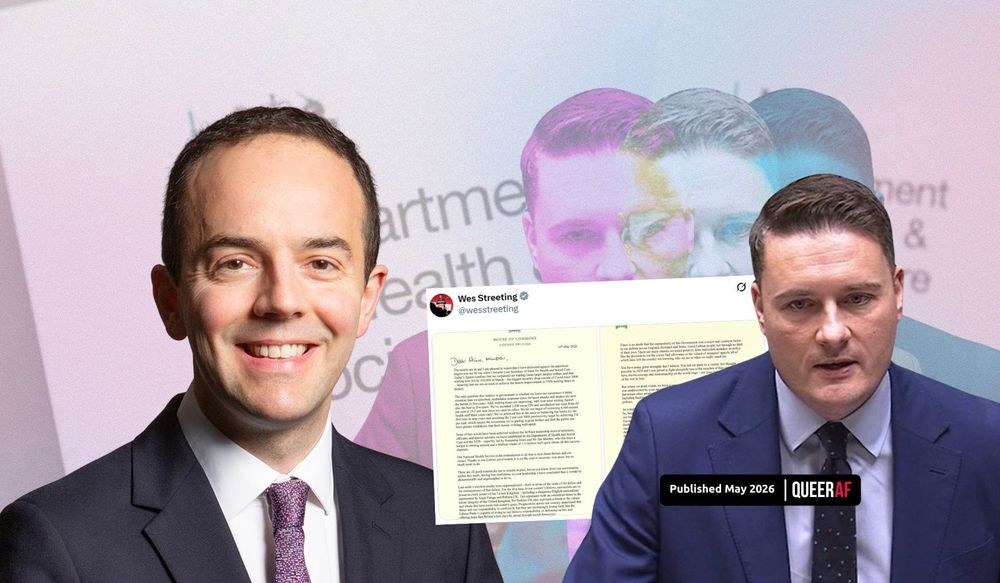
The Equality and Human Rights Commission, the UK's equality watchdog, laid the Code of Practice before Parliament this Thursday, May 21st. It sets out that single-sex spaces, from toilets to changing rooms, must be served on the basis of what it calls 'biological sex', based on people's sex assigned at birth. It will come into practice after 40 days, if it is not opposed.
The code makes it clear that this is the case even if someone has a Gender Recognition Certificate that changes their legal sex. It sets out that this should now be considered their 'certified sex', instead of their 'biological sex', and that single-sex provisions must be delivered in accordance with 'biological sex'.
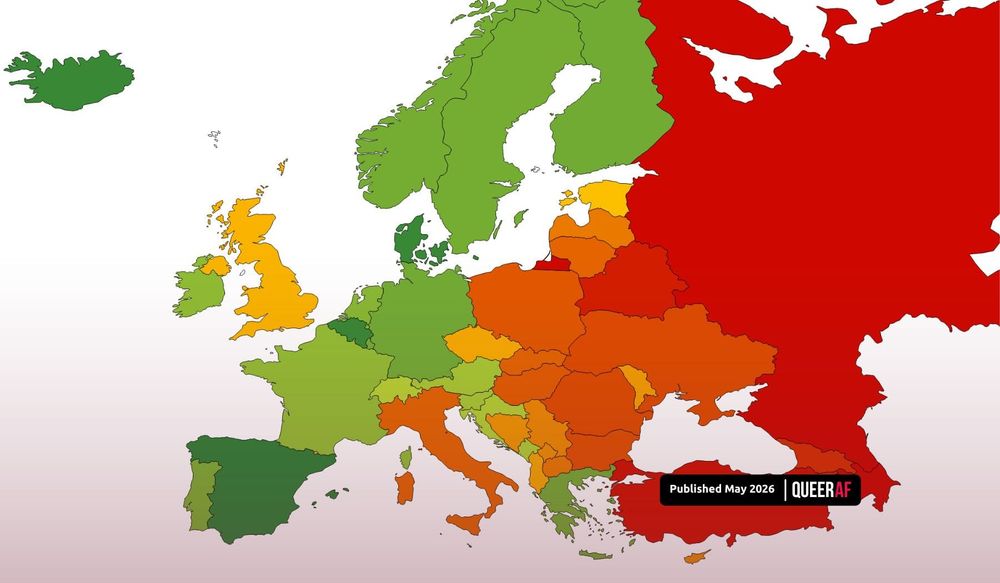
In practice, the code could roll back UK Trans+ inclusion law to how it was before the creation of the Gender Recognition Act 2004. That act was introduced after the European Court of Human Rights said the UK had failed to comply with human rights obligations by not legally recognising trans people as their acquired gender - QueerAF
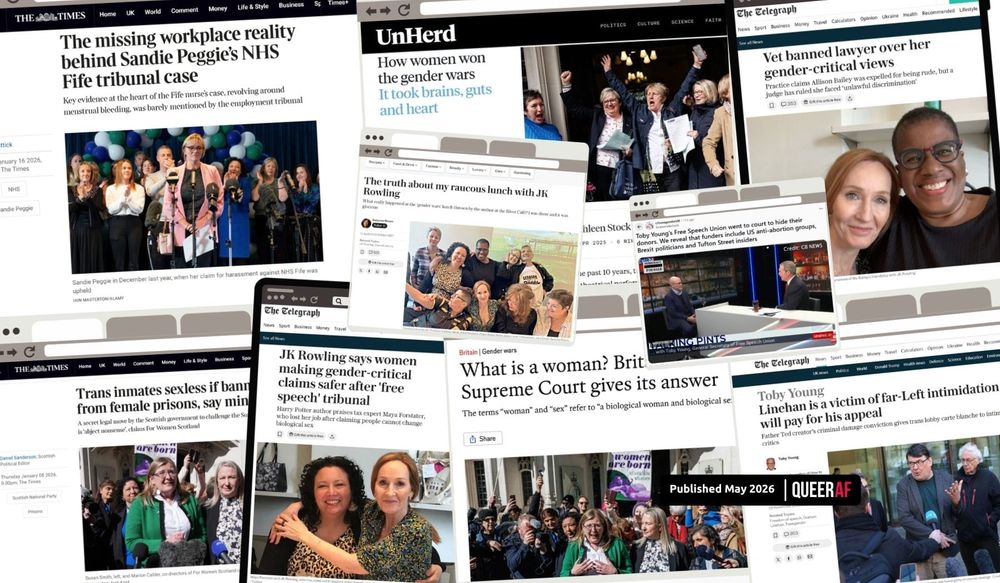
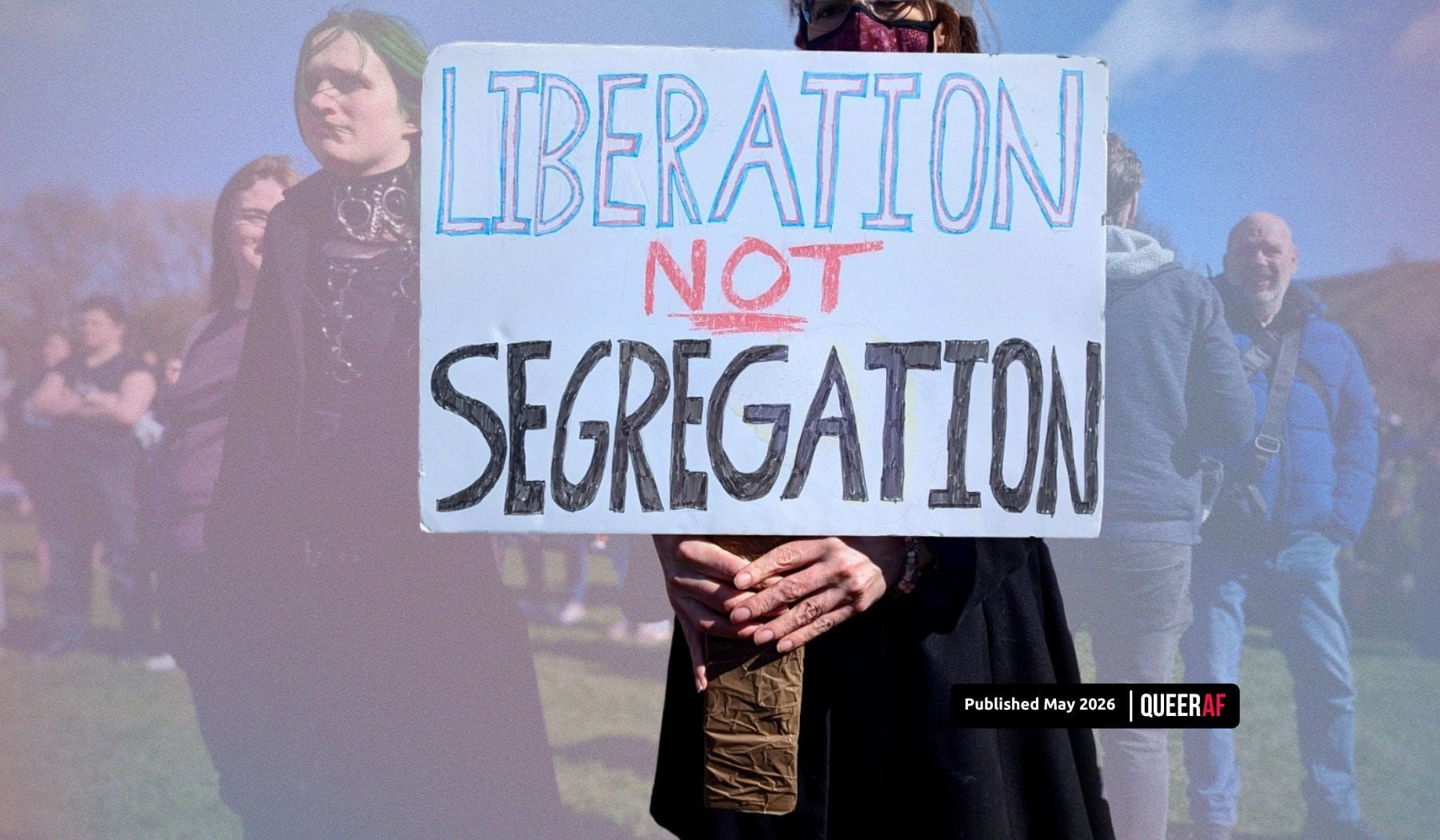
The code has been widely decried by Trans+ groups as a framework that will "force Trans+ people out of public life" and a charter that appears to have "weakened protections for the LGBTQ+ community as a whole" - QueerAF
Gender critical groups have welcomed the guidance, in particular its claim to codify sex as a binary, despite biology showing that sex has many variations - Scientific American
What does the new Code of Practice say?
The guidance considers the application of the Equality Act, which affects associations, organisations, healthcare and businesses, but not other areas like workplaces and schools. However, other guidance, including from the Department for Education, mirrors the code for provision in schools, meaning it is likely to have an impact beyond its remit.
In almost all instances, it recommends creating 'third spaces' for Trans+ people to use, setting out that though people should use single sex services based on their 'biological sex', if Trans+ people are perceived to be another gender, it may be proportionate to deny them access to these too.
For example, it sets out that if a trans man is perceived to be a man, they could be denied entry to the women's toilets, even though their sex assigned at birth is female. It describes this as "a proportionate means of achieving a legitimate aim" because "other service users could reasonably object to his presence".
In healthcare settings, it provides an example of a loophole which affords organisations the opportunity to opt out of providing trans-inclusive, mixed sex services, by saying it may be proportionate not to offer them in a "small number of circumstances where mixed-sex accommodation may be acceptable."
It does, however, set out that Trans+ people may be able to bring discrimination claims where services are not provided for them, as this leaves them at a disadvantage. It confirms that not providing services for Trans+ people would be discrimination on the basis of gender reassignment.
However, in almost all examples provided, the recommended solution is to create 'third spaces', something the Good Law Project trans rights lead Jess O’Thomson says "treats trans people as a third sex, suggesting they should be made to use separate spaces – entirely ignoring the harm this causes, and human rights law."
What didn't make it into the Code?
Several harmful rules in previous drafts of the code that were leaked to the right-wing press have been removed, including suggestions of 'checking birth certificates'. Critically, the final version does not force the exclusion of Trans+ people.
It sets out that you can create associations that are Trans+ inclusive – but you can no longer claim they are single-sex. This means you can have an organisation which is explicitly for people whose sex is female and trans people. It offers a route for organisations like the Women's Institute and Girl Guiding to reform their charters and return to trans-inclusive policies they said they were forced to retract amid legal pressure - QueerAF
It also sets out that offering only single-sex spaces indirectly discriminates against Trans+ people, and therefore does not force organisations to segregate Trans+ people in all instances; rather, in most examples it recommends this to ensure there are cisgender 'women only' spaces.
The guidance also does not cover schools, but the new 'Keeping Children In Education Safe' guidance from the Department of Education instructs schools to segregate Trans+ people under the same principles - QueerAF
Analysis: An anti-trans blank cheque, to exclude Trans+ people, as the fight changes arenas
Although this guidance is not as bad as it could have been, this is horrific news for not only Trans+ people, but the whole LGBTQIA+ community. The Trans+ community are scared, angry and fearful about what it could mean.
Trans+ Solidarity Alliance says this code will become Labour's legacy, haunting them much like Section 28 did the Conservatives. Trans Actual have warned that this will impact everyone in the LGBTQIA+ community.
It will act as a blank cheque for anyone who wants to further narrow what men and women should look like, which will lead to increasingly polarised gender policing in bathrooms, changing rooms and spaces up and down the country.
This should be a wake-up call to queer people of all kinds, including gay men. Regardless of our appearance and behaviours, the rhetoric of those who hate is that we're not man enough, because we love other men. This code gives further license to repopularise this antiquated belief.
Though it's been laid before Parliament and has 40 days to be opposed, it faces a high parliamentary bar to prevent it from becoming law. That means the fight ahead will now likely take place not only at a legal level but also at a local level.
Ultimately, being Trans+ inclusive remains legal. That’s a victory, and hands the power to fight back into our hands. To advocate with our local businesses, associations and organisations to declare they are delivering services in Trans+ inclusive ways.
It's now up to us, and our allies, to make that the norm. For gender-critical approaches to be the outliers. To continue to protest and find inherently queer ways to oppose attempts by this code to make being transphobic the norm – a culture that we all reject.

We need more investment in queer accountability journalism.
Our rights are under attack, and navigating how to fight back is only possible with quality, fact-checked, accessible information - written by LGBTQIA+ journalists.
We're a small but mighty publisher, and are so glad you trust us every week to bring you a selection of the top queer news, unique perspectives and content everyone's talking about in this newsletter.
If QueerAF had more resources, I can assure you - we'd double down even further on our investigations and news output, but even more so: We'd train, mentor and invest in an even bigger new generation of queer journalists.
In just four years, we've supported 150 LGBTQIA+ creatives to develop their craft and careers.
We're not going anywhere, and that work continues.
We can't do it without you, so if you can - please start your monthly or annual membership to QueerAF, so we can help even more people fight back.