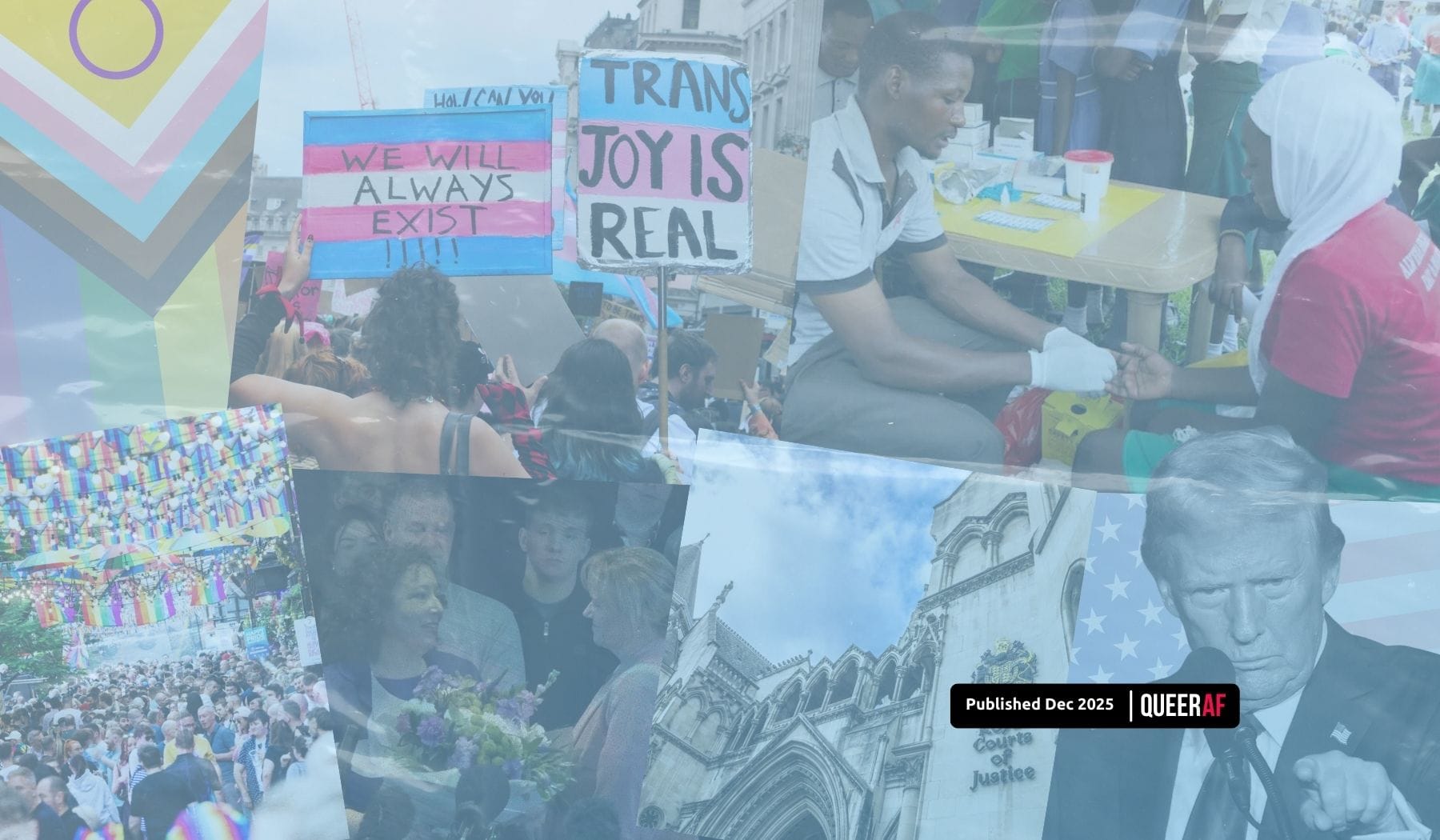

There are chaotic years, and then there’s 2025. In a world that seems determined to exclude us, it was a year that tested queer people in ways we didn’t expect, while revealing the quiet strengths we didn’t realize we had been building.
The backlash against LGBTQIA+ rights intensified in the UK and globally, with queer individuals facing political turmoil and rising right-wing movements.
Despite past progress, the lead-up to the 2024 American election revealed a troubling reversal of attitudes to our rights in the political climate.
Trump's campaign employed anti-trans rhetoric which gained traction online and in political circles. Following his victory, this hostility has become a reality, fueling anti-queer legislation and cuts in health funding, and encouraging other global leaders to treat queer and trans lives as bargaining chips.
The effects were felt even in countries that once seemed safe, including the UK, where a Supreme Court ruling defined “woman” and “sex” strictly in biological terms, sending shockwaves through the trans community. Then the Equality and Human Rights Commission issued guidance on single-sex spaces (since withdrawn), which drew widespread criticism from trans rights advocates.
In the UK, tensions rose as our legal protections seemed to be being rewritten in real time. The national debate over trans healthcare intensified, prompting support services to brace for impending budget cuts. Many community members I spoke to turned to doomscrolling as self-defence. “I just want to know the latest thing we’ve been accused of before I leave the house,” one trans migrant in London told me.
Spaces that once felt safe became unstable. Local LGBTQIA+ organisations were pushed to the brink. Pride events faced severe financial challenges - in the case of Manchester Pride even leading to voluntary liquidation.
As a queer journalist, I've witnessed social media platforms like X (formerly Twitter) become hubs of hate, leading many to seek refuge on alternatives like Bluesky. Unfortunately, hostility continues, with each news story and negative comment weighing heavily on the community.
The global situation for queer communities became increasingly dire as policy changes in Washington encouraged hostility. Many countries restricted healthcare access, eliminated grants for queer initiatives, and limited asylum options. In nations dependent on Western aid, funding cuts severely impacted organizations, leading to clinic closures in Uganda, Nigeria, and Ghana. Support networks weakened, activists faced higher risks with fewer resources, and violence against vulnerable communities rose.
Despite not experiencing cuts in the same way, the UK felt the effects of a shifting global order, creating emotional unease even among those who seemed safe.
But if there’s one thing true about queer people, it’s that we can adjust creatively, if not always gracefully or willingly.
In 2025, resilience wasn’t loud or corporate-approved. It appeared as micro-communities in online groups, where queer migrants in London attended potlucks to cope with dehumanising asylum processes. It manifested as drag performers creating new ecosystems and trans individuals supporting each other in navigating hostile healthcare systems. It was magnified through the work of organisations like Micro Rainbow and Rainbow Migration, offering safe housing and support programs for LGBTQIA+ asylum seekers and refugees.
Reporting on queer life in 2025 meant wading through policy rollbacks, courtroom battles, and a political climate that blurred the line between covering the news and living inside it. With Trump back in power, the fear didn’t feel abstract—it shaped every headline and every conversation. I found grounding in the understanding that these stories were essential, highlighting our need to document our survival.
There were wins too. Despite challenges, queer joy emerged globally. Underground ballroom scenes thrived in Ghana, Nigeria and Uganda. Queer creatives in Lagos also found innovative ways to share art. In the US, a democratic NYC mayoral candidate pledged to protect trans rights, and London Trans+ Pride set a record with over 100,000 participants, highlighting the resilience of the transgender community.
Everyone I’ve spoken to agrees that next year won't undo what began in 2025. Their reactions are made up of a mix of realism, exhaustion, anger, and a stronger determination.
Queer organisers in the UK are developing long-term strategies and forming cross-border support networks amid shrinking resources. Artists are documenting the moment, recognising the importance of archives, while Black and brown queer communities are creating new initiatives.
This year has shown us that our survival as queer individuals is not by chance; we uplift each other, foster joy and resilience, and stand firm in our pursuit of a better future.
2025 was overwhelming and exhausting, but it also clarified who we are when the world feels like it’s against us - we’re a community that is stronger together.
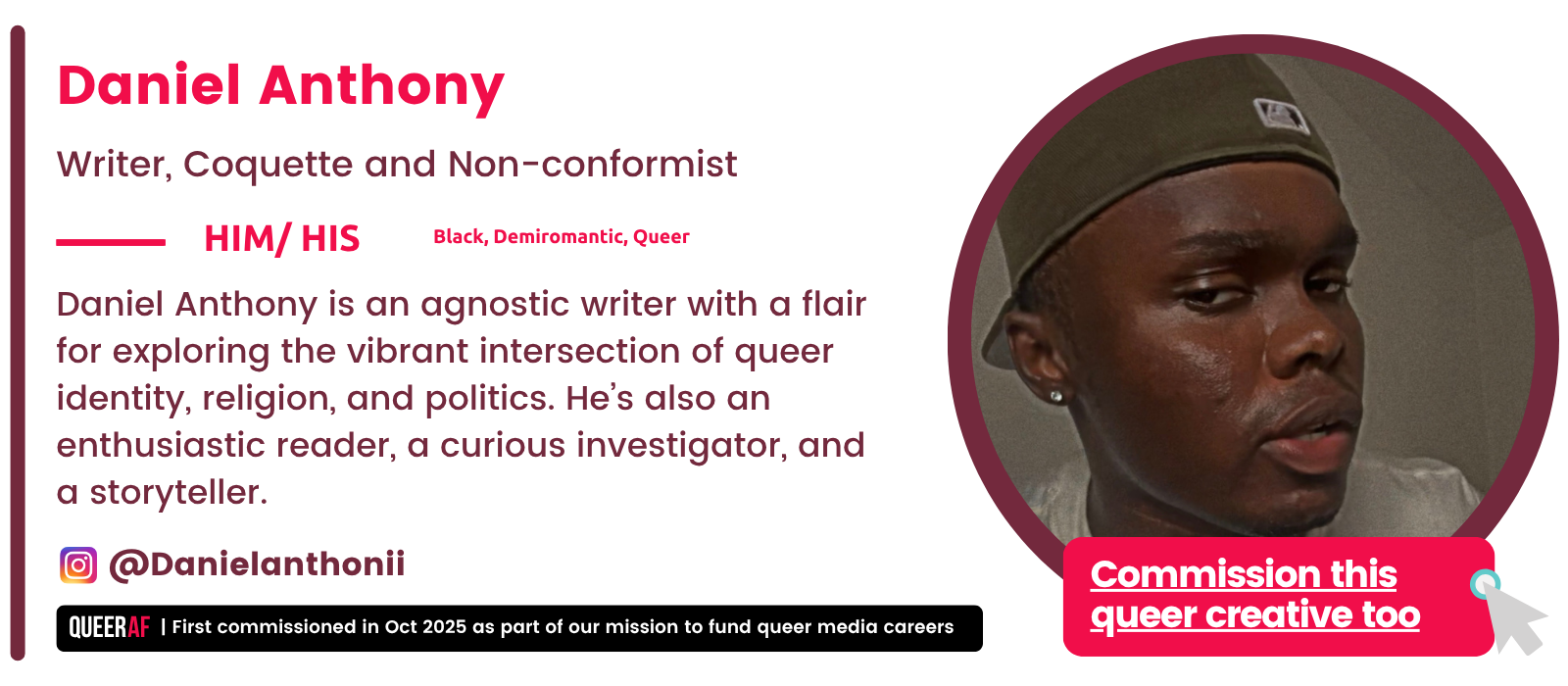
We deserve good news too.
When there is so much hate out there, it's easy to get swept up in the doom.
QueerAF doesn't do that. We sprinkle in the joy that is the lifeblood of why being LGBTQIA+ is so simply wonderful.
And in the newsletter where this was first published, there was actually a bunch of positive news to celebrate. It shows me that despite the headlines knocking us down, we're getting right back up again and using our anger to fuel our fight.
While the rest of the media cashes in on hate about us, we can focus on queer joy - because you drive us. The community. QueerAF readers - not advertisers.
Our members directly fund our content. When you sign up, you get to have your say on how your funds are used. On what content we should commission.
But we turn down advertising and sponsorships in this newsletter so we can focus on delivering on content for you, not just clicks. That's why we need you to sign up to become a QueerAF member.
You'll join hundreds of awesome queer as f**k members who ensure we can keep our unique approach to queer content happen. If you want to see the media cover more stories about the joy in our lives - please, consider a membership. We can't run this newsletter without you.