Asexuality and aromanticism have seen an increase in representation on British television in recent years. Sex Education and Heartstopper alone have brought audiences six asexual (ace) characters, with the latter also offering us two aromantic (aro) characters.
Stonewall’s 2023 Ace in the UK report noted that television helped in ‘improving awareness and understanding’ of these identities. But now these shows have drawn to a close, we enter another period with a lack of ace and aro representation on our screens.
Netflix’s Heartstopper marked a step forward for ace and aro representation; a welcome response to calls for TV shows need to include aromantic asexual people too. It did this not only by introducing the first self-identified aroace characters on British television, but also because the show was written by aroace author Alice Oseman.
But now that the show has ended, we return to having no fictional representation of asexuality or aromanticism on British television and the only representation showing up in aphobic media discussions, like those on GB News.
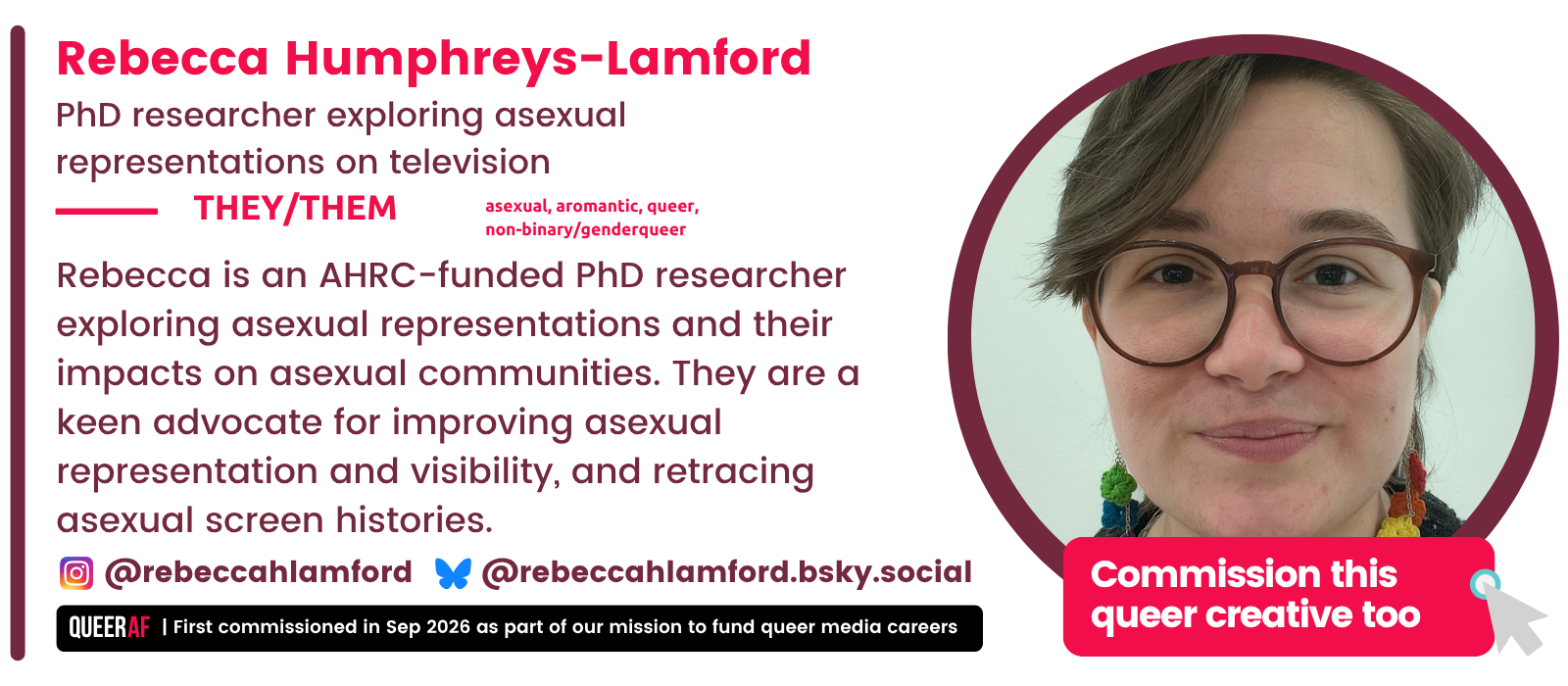
As a PhD researcher exploring asexual representations and their impacts on asexual communities, I’ve heard from dozens of ace and aro people about the harms of not seeing yourself reflected in the media. They’ve told me about the confusion this can create, and how it leads to people feeling as though something is wrong with them or that they are somehow ‘broken’.
When television repeatedly enforces that sexual and romantic relationships are what everyone desires, not experiencing those attractions can leave you feeling alone and invisible.
Seeing myself represented has been validating and extremely joyful, and helped combat the feelings of isolation with my identity I’ve experienced. However, ace and aro communities are often left disappointed at how rare ‘confirmed’ representations are, and how lacking they are when they do exist.
As asexual creative Rowan Ellis highlights, there are many problems with asexual representation. From characters who only get minutes of screen time or appear just as side characters, asexuality only receives a cursory exploration. Furthermore, the very stereotypical image of who can be asexual (white, non-disabled, cisgender male teenagers) leaves many ace people unrepresented. Aromantic representation is rarer, but faces the same problems.
Visibility is powerful. It allows us to feel seen, validated, and connected to the wider ace, aro and queer communities. Visibility shows that ace and aro people are worthy of being represented; that our voices and experiences matter. It can make coming out easier, too, which is extra important – a survey by the Government Equalities Office revealed that 89% of asexuals “avoid being open about their sexual orientation for fear of a negative reaction from others.”
Of course, media visibility is just one step in asexuality and aromanticism gaining recognition, and the limited representations these identities receive are indicative of the wider visibility of these identities in society. For example, asexuality and aromanticism aren’t protected by the Equality Act 2010, and asexuality has only been framed as “not having a sexual orientation” in the proposed draft bill to ban conversion therapy, whilst aromanticism doesn’t get a mention.
Whilst visibility might not always lead to positive change, and needs to come at the same time as understanding to make real progress, the tentative increase in ace and aro representation did mark a hopeful moment in increased awareness and understanding of these identities. But without more ace and aro representation on our screens, that momentum could be lost.
Get the Queer Gaze in your inbox each week with our free weekly newsletter or pitch to write an edition for us now.
We deserve good news too.
When there is so much hate out there, it's easy to get swept up in the doom.
QueerAF doesn't do that. We sprinkle in the joy that is the lifeblood of why being LGBTQIA+ is so simply wonderful.
And in the newsletter where this was first published, there was actually a bunch of positive news to celebrate. It shows me that despite the headlines knocking us down, we're getting right back up again and using our anger to fuel our fight.
While the rest of the media cashes in on hate about us, we can focus on queer joy - because you drive us. The community. QueerAF readers - not advertisers.
Our members directly fund our content. When you sign up, you get to have your say on how your funds are used. On what content we should commission.
But we turn down advertising and sponsorships in this newsletter so we can focus on delivering on content for you, not just clicks. That's why we need you to sign up to become a QueerAF member.
You'll join hundreds of awesome queer as f**k members who ensure we can keep our unique approach to queer content happen. If you want to see the media cover more stories about the joy in our lives - please, consider a membership. We can't run our outlet without you.