
TL;DR: New ‘Keeping Children Safe In Education 2026’ (KCSIE) guidance sets out in detail the limits now placed on schools supporting Trans+ children. KCSIE will require them to ban Trans+ children from single sex spaces that don't match their 'biological sex', segregating them into other spaces if they feel uncomfortable in toilets they can use. It also sets out expectations on reconsidering arrangements for 'social transition' at regular points, including for children who 'live in stealth' and those with arrangements made before the guidance.
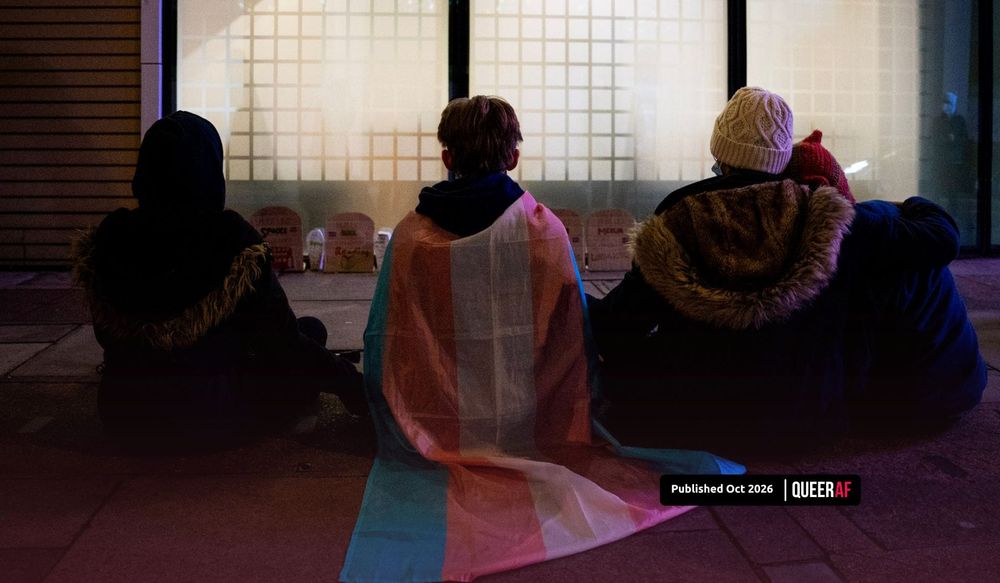
Schools will have to segregate Trans+ children and ban them from using toilets that don't match their 'biological sex' under new statutory 'Keeping Children Safe In Education' (KCSIE) guidance.
The guidance is now set to come into force in September. Along with a new relationships and sex education curriculum, it will make it incredibly hard for schools to remain Trans+ inclusive. The guidance sets out that Trans+ youth must take part in single-sex activities and school trips, and use changing facilities, based on 'biological sex' from age 11, while this rule applies to toilets from the age of eight.
It also stipulates that single cubicle toilets must open onto "public areas”, eliminating what LGBTQIA+ sector organisations believe was one of the few workarounds that would have allowed schools to let Trans+ kids use some disabled or staff toilets.
What does the new 'Keeping Children Safe in Education' guidance say?
The new guidance goes further than previous drafts, also setting out detailed information on how to support children to detransition, and contains wording suggesting that supporting children to socially transition increases the likelihood that they will seek a 'medical route' when they're older.
In that context, it also states that any request for social transition should be considered if it improves the safety and well-being of children – but "a decision relating to social transition may not be the same as a child’s wishes", an important clause that allows schools, with parents, to decide against the child’s wishes.
It states that parents must be informed of any requests to transition socially in almost all instances. However, there is now a caveat that if this would "constitute a greater risk to the child than not involving [parents]", a "designated safeguarding lead" can be appointed instead.
It sets out in great detail how schools should work with parents to come up with arrangements for any social transition, but also says it expects schools to revisit these decisions at "appropriate points" – including for children who have arrangements in place currently, before this guidance was published. The guidance says schools need to keep detailed records on all instances of social transition conversations and requests, too.
For these children 'living in stealth', as the guidance calls them, it says designated safeguarding leads should be the lead in all cases, but still requires the children to be registered in school records with their 'biological sex' and for all ‘appropriate staff’ to be informed.
On detransitioning – a phenomenon that is documented to happen in vanishingly small numbers of Trans+ people, often due to transphobic pressures rather than ‘regret’ – the guidance explains that "The Cass Review highlighted the importance of maintaining flexibility and keeping options open for children who have socially transitioned".
Indeed, the guidance leans heavily on the Cass Review to develop its conclusions and guidance about Trans+ youth – which it refers to as 'gender-questioning children', not as trans, throughout. The Cass Review has been widely criticised for being flawed in its methodological approach, which saw it rule out 98% of evidence showing that gender affirming care, including supporting social transition, helped Trans+ youth - QueerAF
Speaking to QueerAF Dr Natacha Kennedy, lecturer in Educational Studies at Goldsmiths, University of London said “The government's new schools guidance is not about protecting trans children, it institutionalises the practices that research shows causes them harm. In my view the government's schools guidance constitutes a form of ‘Ambient Conversion Therapy’ by embedding systemic pressures that will undermine trans children's identities and wellbeing 24/7. It will increase minority stress and make their lives much harder.”
Responding to the allegation that the guidance amounts to a form of 'ambient conversion therapy' the Department for Education provided this quote by Hillary Cass, author of the Cass Report to QueerAF:
"The recommendations of my review were clear: children questioning their gender deserve safe, individualised support, and schools need clarity to provide it. This guidance delivers both. It is statutory, it is practical, and it reflects the evidence. Schools can now act with confidence – and children and families can expect consistent, accountable safeguarding as a result.”
Analysis: Worse than the previous draft, this will create a harsh environment for Trans+ kids
This guidance doesn't ban social transition. Instead, it makes it next to impossible to achieve without pain, distress and shame being poured onto Trans+ children who are just looking to build a happy, healthy life.
The section on social transitioning is all caveated by using the word ‘should’ – stating that the advice should be followed unless there is good reason not to – as opposed to the word ‘must’, which would make the person in question legally required to do something as appears in other sections of the guidance. However, it also sets out what it 'expects' of schools, leaving little wriggle room for those that do want to be Trans+ inclusive.
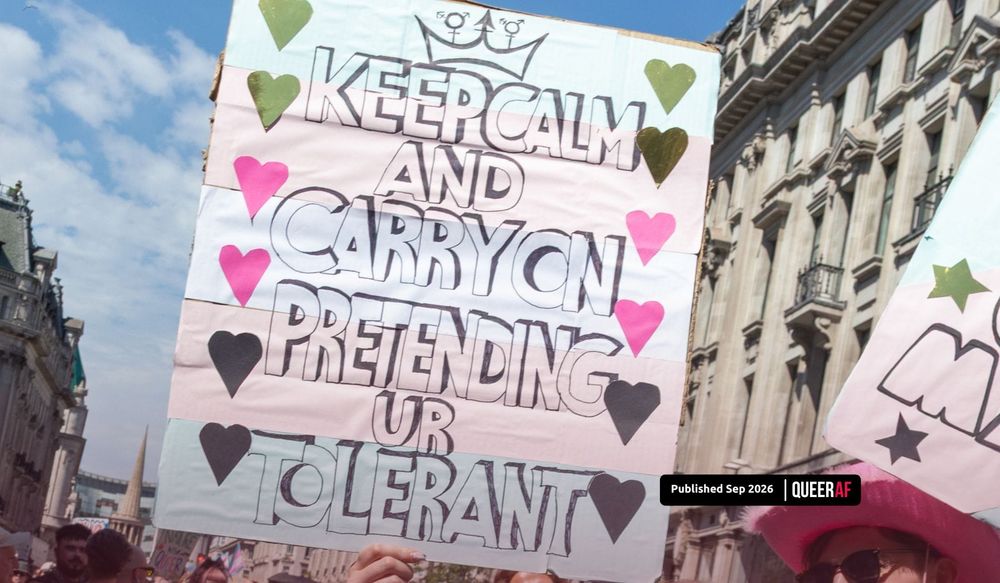
Indeed, it seems to go to great lengths to protect and afford teachers who don't want to support Trans+ peoples rights. In one passage, it calls on schools and colleges to "also be conscious of the rights of pupils and staff in relation to their religion or belief", adding that where the school does support social transition, they "might consider discussing options with pupils and staff such as using names instead of pronouns," giving room for teachers to refuse to go along with that support.
The guidance is the latest in a long series of transphobic guidelines for schools published by the government. Critically, almost all of them have gone out for consultation without having been formally adopted; this is the first that is set to come into force definitively.
This latest draft is once again both more forceful and more detailed than the draft published in February, incorporating many provisions from draft guidance the Conservative government put out for consultation in December 2023, which Department for Education lawyers advised could breach equalities law.
In our analysis of the previous draft, we spoke about it being the floor, rather than the ceiling on how schools could support Trans+ children. This draft seeks to put a roof on top, preventing any teachers from finding light of day they might seek to support Trans+ youth in their classes.
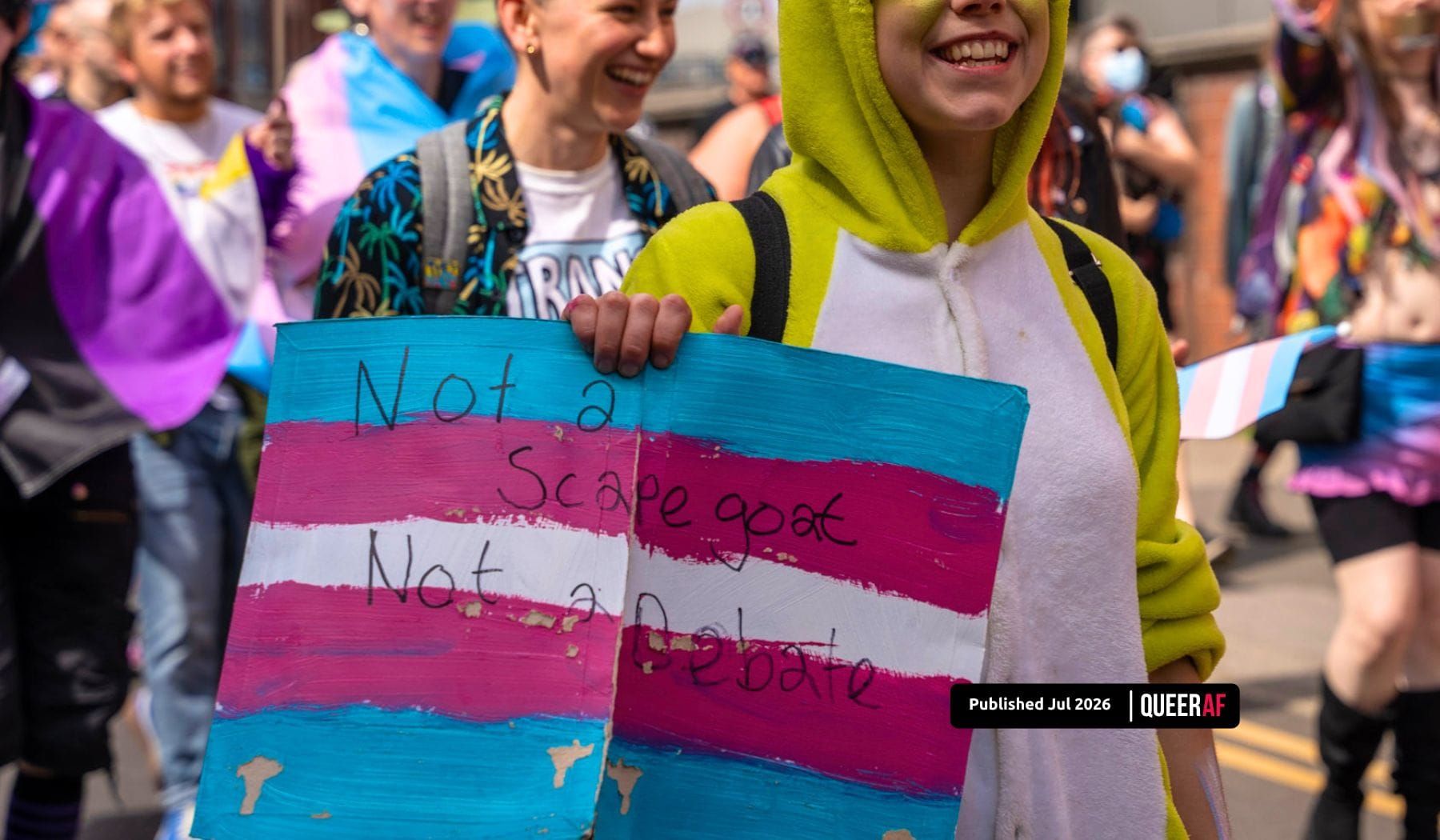
Along with their 'Section 28 2.0' that means teachers are not allowed to use materials that "encourage pupils to question their gender", and this guidance, the Labour government is sending a clear message to the education system: Trans+ youth have rights under the Equality Act, but you don't have to accommodate their needs.
All of this will create a culture in schools that will make coming out as Trans+ too awful for young people to be able to consider living as themselves while at school.

We need more investment in queer accountability journalism.
Our rights are under attack, and navigating how to fight back is only possible with quality, fact-checked, accessible information - written by LGBTQIA+ journalists.
We're a small but mighty publisher, and are so glad you trust us every week to bring you a selection of the top queer news, unique perspectives and content everyone's talking about in this newsletter.
If QueerAF had more resources, I can assure you - we'd double down even further on our investigations and news output, but even more so: We'd train, mentor and invest in an even bigger new generation of queer journalists.
In just four years, we've supported 150 LGBTQIA+ creatives to develop their craft and careers.
We're not going anywhere, and that work continues.
We can't do it without you, so if you can - please start your monthly or annual membership to QueerAF, so we can help even more people fight back.