
TL;DR: The UK Government has announced a sweeping under-16s social media ban, which could have implications for privacy rights for everyone.
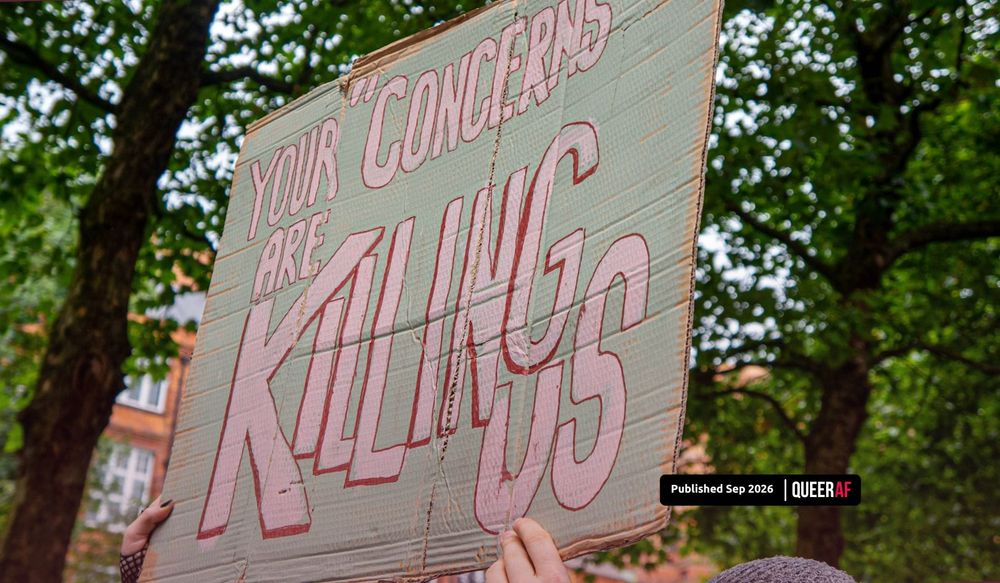
The UK government has announced a sweeping ban on children under the age of 16 accessing social media. This landmark decision – in what is already a highly polarised debate – has been welcomed by some and swiftly criticised by others, with concerns raised about social isolation, safeguarding and universal privacy rights.
The Australia-style ban was announced by Keir Starmer’s Government earlier this week and includes platforms like TikTok, X, Instagram and Snapchat, alongside other features like livestreaming. Messaging apps, including WhatsApp and Signal, are not expected to be included. It is anticipated the first set of Regulations will be laid before Parliament by the end of the year and will come into force in spring 2027 – Gov
The announcement was welcomed by campaigners who have sought stronger restrictions on young people’s access to social media.
Esther Ghey, the mum of murdered trans teen Brianna Ghey, responded to the news by claiming a social media ban would have “saved” her daughter – BBC
On the other hand, Ian Russell – the father of teenager Molly Russell who took her own life after viewing harmful content online – slammed Starmer as “choosing to take a politically easy route” rather than “tackling the product safety issues that cost my daughter’s life” - The Guardian
The crux of the issue being that a sweeping social media ban will not get to the heart of many of the problems posed by social media, such as harmful algorithms that promote extreme material.
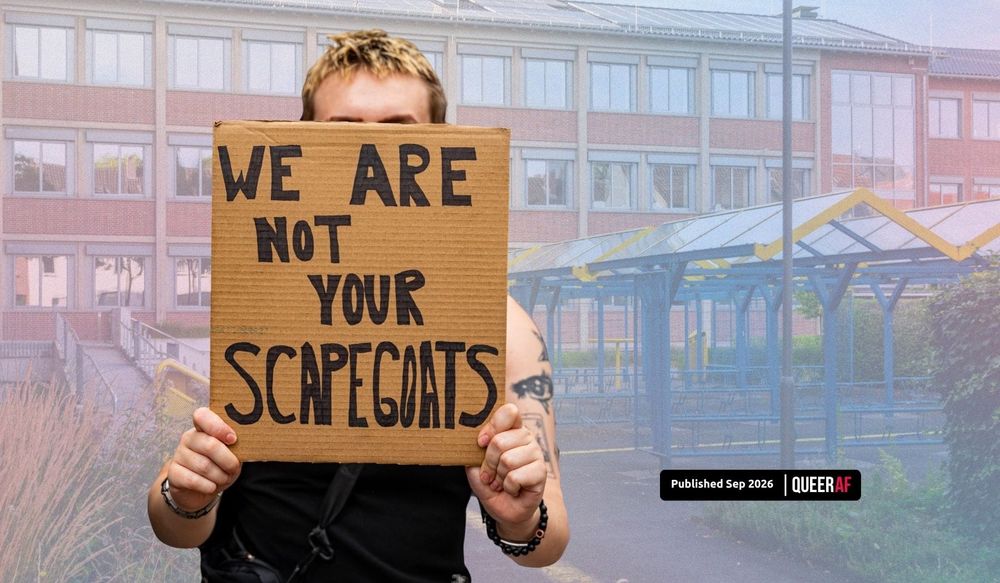
Concerns have also been raised that a sweeping ban will negatively impact the most vulnerable young people – such as queer and disabled youth – by isolating them from communities they may have built online.
Social media is a vital lifeline for LGBTQIA+ youth
LGBTQIA+ folks have long used online platforms to find and build communities with other queer people, especially when they do not have those connections in their offline lives or the ability to be open about their identities. Indeed, in many parts of the world where so-called ‘LGBTQ+ propaganda’ is banned, social media and online platforms can provide a life-saving respite for isolated queer people.
Writing for QueerAF in March, Taya Mwah outlined how social media bans look very different as soon as you move away from large cities and into rural areas.
“Even for today’s Queer Welsh youth, the first time we see someone like ourselves is usually not in our school or our village, but online,” they explained – QueerAF
Research has also backed this up.
A report published by the University of Sussex and sexual health charity Brook in 2021 described queer online spaces as “a vital space of LGBT+ community and ‘queer world-making’”.
Alongside this, a study published in the Journal of Medical Internet Research in 2022 found that social media may support the mental health and well-being of queer young people through peer connection, identity management, and social support.
Analysis: The privacy implications of a social media ban
A social media ban on under 16s will have implications for people of all ages.
In order to enact a ban, social media platforms will be forced to prove that users are indeed over the age of 16 and this will require much more personal data than is currently required. One might have to hand over identity documents like a passport to set up a social media account – Proton
Given the billions of users each individual social media platform has – Facebook, for example, has around three billion monthly active users – it may be the case that age-verification processes would be outsourced to third-party, private companies.
What happens to this data? Who owns it? How safe is it? Those are just some of the questions posed.
Indeed, one need only consider the data breach that occurred on Discord after it brought in age-verification – where more than 70,000 photographic IDs were compromised – to see the risks involved – Computing UK
In an exclusive statement provided to QueerAF, Open Rights Group – the UK's largest grassroots digital rights campaigning organisation – criticised the ban and the threat it may pose to personal data.
"There are very real risks that this personal information could be compromised,” a spokesperson said.
“The government has ignored calls by Open Rights Group and others to regulate the age verification industry so that there are compulsory privacy and security standards that would help ensure that users’ sensitive data is protected.”
The group added: "The ban will also impact how children access and share information that is important for their participation in democracy, as well as for their health and wellbeing.
“LGBTQ+ teens in particular may rely on social media for crucial information, exploration and support.
“It can offer a much needed community for those who don't have support from their families or other sources.”
We need more investment in queer accountability journalism.
Our rights are under attack, and navigating how to fight back is only possible with quality, fact-checked, accessible information - written by LGBTQIA+ journalists.
We're a small but mighty publisher, and are so glad you trust us every week to bring you a selection of the top queer news, unique perspectives and content everyone's talking about in this newsletter.
If QueerAF had more resources, I can assure you - we'd double down even further on our investigations and news output, but even more so: We'd train, mentor and invest in an even bigger new generation of queer journalists.
In just four years, we've supported 150 LGBTQIA+ creatives to develop their craft and careers.
We're not going anywhere, and that work continues.
We can't do it without you, so if you can - please start your monthly or annual membership to QueerAF, so we can help even more people fight back.