

Heartstopper has been with me since the start of my transition. As a closeted trans teen, discovering the Heartstopper webcomic was the first time I saw a trans character represented positively. It was transformative to see a trans person who could live their life, be supported through their struggles, and have a positive storyline. It showed me that I could have that too.
The franchise of Heartstopper has officially come to a close with the film Heartstopper Forever. The series spanned three seasons, focusing on the story of Charlie Spring and Nick Nelson, two teenage boys who meet at school and fall in love. The franchise has been celebrated for exploring themes of romance, friendship, coming out, identity and mental health.
But Heartstopper actually first existed as a webcomic, created by Alice Oseman and published on Tumblr and Tapas in 2016. A successful Kickstarter campaign led to a self-published printed edition in 2018, and was later published in print. The final chapter of the Heartstopper Graphic Novel (Volume 6) brought the series to an end just two weeks before the new film.
I was 20 when Heartstopper was first published on Tumblr. I remember the feeling of finding a story that finally had a trans character that was represented positively.
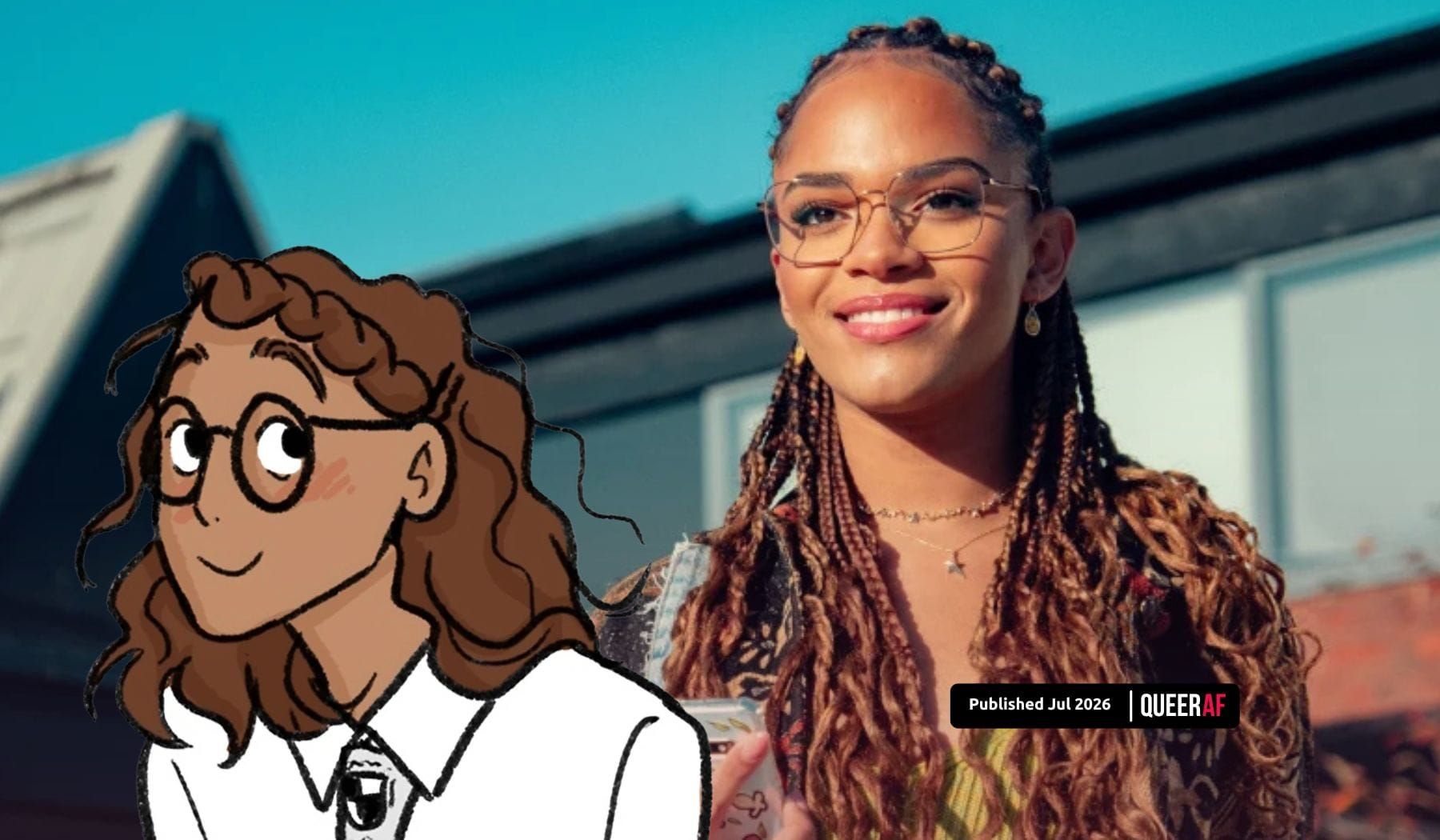
The character of Elle Argent (played by Yasmin Finney in the Netflix version) is a trans girl who is a close friend of Charlie's and later Tao’s girlfriend. She transfers to Higgs Girls School after coming out as transgender, going on to have a positive experience in her new school and date her cis best friend. It’s a kind of story that we don't often see when it comes to young trans people's experience.
In the TV show and film, there were two prominent moments that stuck out for me that didn't feature in the graphic novel series. In Season 3 Episode 6, Elle is interviewed on a local radio show about her art, but is blindsided by the host shifting the narrative to anti-trans rhetoric and asking her invasive questions.
In the Heartstopper film, Elle asks Charlie (who is going through a hard time in his relationship with Nick) to attend Pride with her and their friends, as she expresses how terrified she is of feeling hated in the current political climate and losing her rights.
In 2026, 10 years after the comic was first posted, we can see how the narrative has shifted around Trans+ people. It's hard to escape the ongoing negative view of our community in policy, opinion, and culture wars.
In a recent interview, Oseman said “There’s so much more vocal, aggressive transphobia across every aspect of life now in 2026”. They also add that the scene “illustrates the undercurrent of fear because of the way the world is at the moment for the trans community” - The Wrap
Oseman adding in these specific scenes to the TV series and film feels incredibly meaningful, especially because doing so breaks Heartstopper’s rule of "balancing the light with the dark”.These storylines reflect the real-world impact of what is currently happening to the trans community
Oseman is acutely aware of the importance of positive representation for trans teens and said she aimed for Heartstopper to show “trans teens just being teens”. It certainly achieves this aim; having a show that reflects what the trans community is currently going through while remaining overtly positive is really refreshing. It demonstrates trans joy without ignoring reality.
That kind of representation remains surprisingly rare, making Heartstopper's approach all the more significant.
This reflects what researchers have identified as one of Heartstopper's biggest strengths. In her 2024 bachelor's thesis on LGBTQ+ representation in the series, Lena Grupp argues that Elle Argent breaks away from the stereotypes that have historically defined transgender characters on television.
Rather than making her gender identity the sole focus of her story, Heartstopper presents her as a teenager navigating friendship, first love, school and finding her place in the world. While the series doesn't ignore transphobia, it refuses to let it define who she is, instead portraying her with the same depth and normality afforded to every other character.
Heartstopper feels like a breath of fresh air compared to the usual representation of trans characters onscreen, where we often get narratives showing how hard life can be for a trans person.
Netflix’s decision to conclude Heartstopper with a feature-length film instead of an 8-episode season was officially due to ‘scheduling conflicts’ with the main cast. Even so, the franchise’s conclusion comes at a time when trans representation on television remains precarious.
According to GLAAD's 2024–2025 Where We Are on TV report, transgender characters make up just 33 of the 489 LGBTQ characters (7%) counted across broadcast, cable and streaming television. The report also found that 61% of those transgender characters will not return next year due to series cancellations, endings or limited-series formats, with only 12% appearing on shows that have already been renewed.
The narratives we create around trans and non-binary people matter. At a time when negative rhetoric towards our community is increasing and trans and non-binary lives are frequently reduced to political debate, it’s important for trans lives to be understood as real, complex and joyful experiences.
The last few years have been incredibly hard for the trans and non-binary community, especially young people. Heartstopper is a critical watch, whether you are a parent, someone questioning their identity, or you just need something to help you feel represented. It’s so important for the trans and non-binary community to see ourselves reflected in the stories we see and hear – when we see people like us on the screen, it lets us know that we aren’t alone.

Get the Queer Gaze in your inbox each week with our free weekly newsletter or pitch to write an edition for us now.
We deserve good news too.
When there is so much hate out there, it's easy to get swept up in the doom.
QueerAF doesn't do that. We sprinkle in the joy that is the lifeblood of why being LGBTQIA+ is so simply wonderful.
And in the newsletter where this was first published, there was actually a bunch of positive news to celebrate. It shows me that despite the headlines knocking us down, we're getting right back up again and using our anger to fuel our fight.
While the rest of the media cashes in on hate about us, we can focus on queer joy - because you drive us. The community. QueerAF readers - not advertisers.
Our members directly fund our content. When you sign up, you get to have your say on how your funds are used. On what content we should commission.
But we turn down advertising and sponsorships in this newsletter so we can focus on delivering on content for you, not just clicks. That's why we need you to sign up to become a QueerAF member.
You'll join hundreds of awesome queer as f**k members who ensure we can keep our unique approach to queer content happen. If you want to see the media cover more stories about the joy in our lives - please, consider a membership. We can't run our outlet without you.