
TL;DR: An employment tribunal has set out in great detail why the Supreme Court ruling on the meaning of ‘woman’ in the Equality Act 2010 does not require segregating Trans+ people from single-sex spaces, in stark contrast to advice from Equality Watchdog the EHRC, which is itself in court over that advice.
A high-profile Scottish Employment tribunal has ruled that the Supreme Court’s ruling in the case of For Women Scotland does not require Trans+ people to be segregated from single sex bathrooms and changing areas. It is a significant victory for Trans+ rights, amid ongoing legal disputes about the meaning of the court decision.
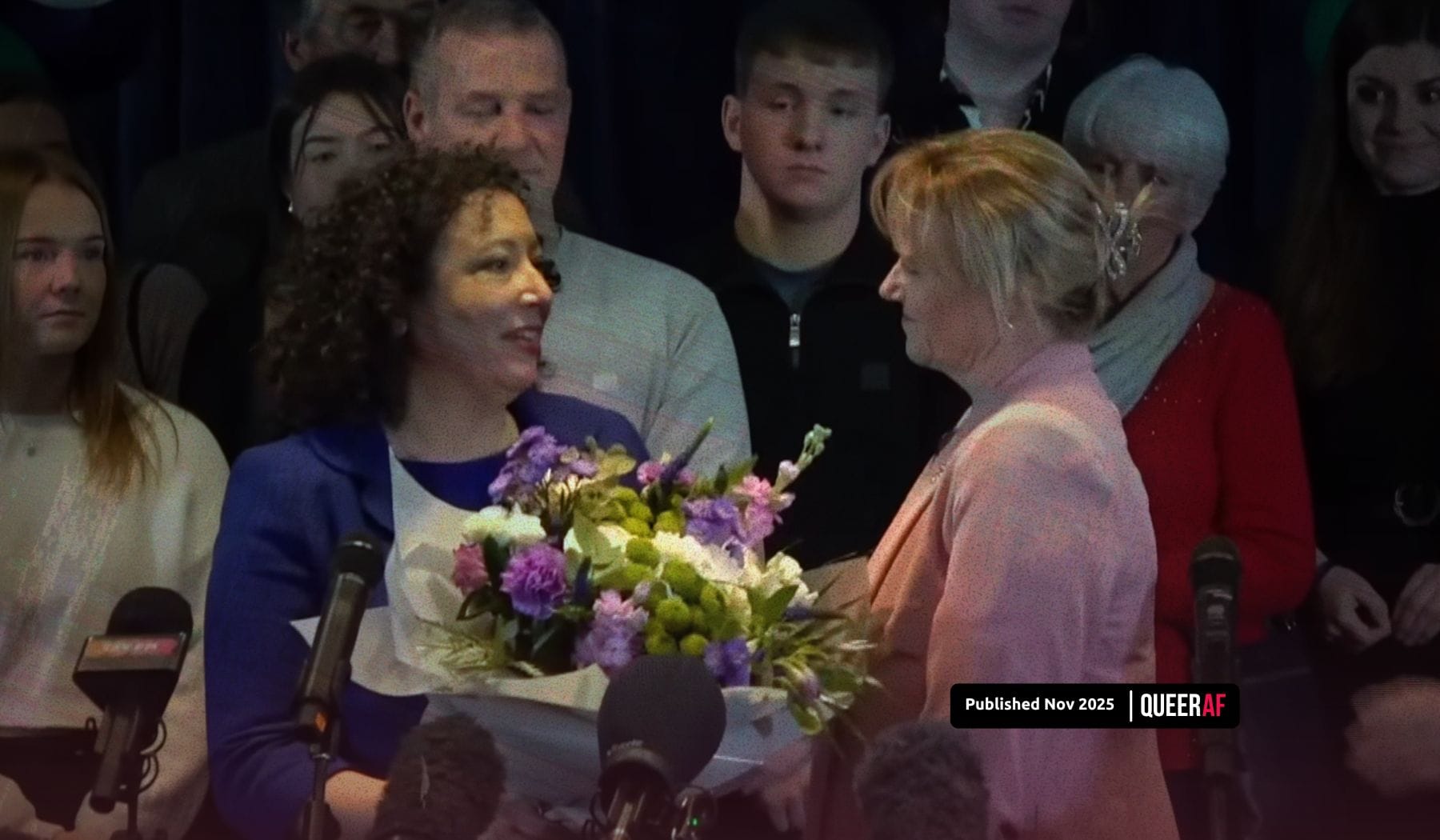
The ruling came in the tribunal of Sandie Peggie, who was found to have been harassed by NHS Fife after refusing to share a changing room with a transgender doctor. Her other allegations of discrimination and victimisation were dismissed - BBC
Peggie has become a high-profile gender-critical figure, supported by groups such as Sex Matters. Though she initially welcomed the judgement, she has now announced she intends to appeal it - CH4
What did the Sandie Peggie employment tribunal say?
In a critical section of its 314-page judgement, the court concluded “that the answer is in the negative" on the question as to whether the Supreme Court ruling required the segregation of Trans+ people from single sex bathrooms.
The court said it came to that conclusion because the Supreme Court did not seek to address this issue, but rather only "the interpretation of the words ‘woman’ ‘man’ and ‘sex’ in the Act in the context of a case pursued under Part 3 in respect of public services".
It explicitly stated that the Supreme Court did not address how an employer should "determine matters where two or more protected characteristics are in conflict". Indeed, it further set out that the case of Maya Forstater, which set a precedent around protecting gender critical beliefs, also clearly stated it didn't give permission to misgender trans people with impunity.
Therefore, it argued, the Equality Act 2010 does not create a hierarchy of protected characteristics where 'sex' trumps gender identity. It cited another high-profile LGBTQIA+ case, in which a Christian baking company refused to make a gay wedding cake, to further make this point.
"Illogical results unlikely to have been intended by the legislature"
The court's analysis added further case examples to British case law to make its point. Using the example of cleaners, plumbers or repair workers, it set out how, in common sense and justifiable examples, breaches to single-sex spaces were already made. It suggested that it was not "workable" to ban people from single-sex spaces wholly and that illogical results were "unlikely to have been intended by the legislature".
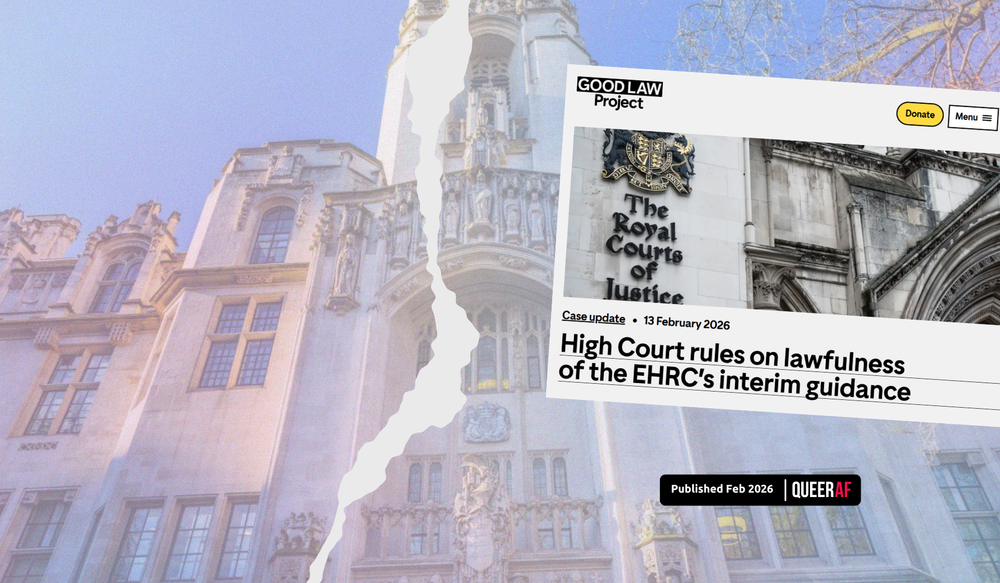
This echoes remarks the Equalities Minister made in court in response to a challenge from the Good Law Project over the now-withdrawn 'interim update' by the EHRC. In her submission to the court, Bridget Phillipson questioned the logic of the EHRC's stance that if you have to let Trans+ people use single-sex spaces, you'd have to let cisgender men use the women's toilets, as they'd no longer be single-sex spaces.
From mums bringing their boys into changing rooms, to pregnant women using the men’s loos at the theatre, Phillipson said that there were already exemptions to these spaces, and if those could be facilitated, then the EHRC's argument that Trans+ people using those spaces would break a 'service test' didn't hold up. The tribunal’s ruling supports this analysis.
Analysis: Why are you only just hearing about this?
Unless you had time to dig into the details of the 300+ page judgment, you'd be forgiven for missing this positive part of the ruling on the Supreme Court's look at the Equality Act.
The vast majority of headlines on this story have focused on two things. First, Peggie's 'partial' victory, which was largely procedural and similar to other gender-critical rulings where the claimants were found to have been harassed by their employers, but their wider attempts at forcing anti-trans discrimination into case law have been denied.
Elsewhere, there has been a focus on an unfortunate typo, which required a clarification - one that didn't change the meaning of the ruling. It’s become an easy excuse to undermine the ruling in column inches all over the UK’s media.
This has been framed in many headlines as a victory for a prominent gender-critical campaigner, but it is not. It's not wholly positive either, but it provides a significant stepping stone for challenging businesses all over the UK that have begun banning Trans+ people from their single-sex services.

Institutional bias in so many of the UK's newsrooms prevented critical information from reaching LGBTQIA+ people about this case
That is a huge failure to you, to Trans+ people and to those whose rights are under attack.
You should have been informed about this significant ruling, but instead most people will have read headlines that confirm the gender-critical bias that's been forced on them by a pernicious anti-trans editorial approach.
We urgently need to change who is in the newsroom, and ensure Trans+ and LGBTQIA+ journalists are in the room - and able to provide nuanced, critical, accountability journalism.
QueerAF is modelling the kind of journalism we want to see, while training a new generation of queer and Trans+ journalists. That, alongside playing an important role in industry forums, and lobbying for change - we are far more than a newsletter.
Thousands of you read this newsletter every week. If even 1% more of you upgraded today, we'd be able to dramatically expand our journalism, training schemes and lobbying work.
Help us change the media, so we can change the country.