TL;DR: Prominent gay Radio 2 host Scott Mills has been fired by the BBC in relation to an investigation into historic sexual offences. The scandal comes as the Corporation prepares for a change of Director General, in what could be a crucial moment for its long-term future.
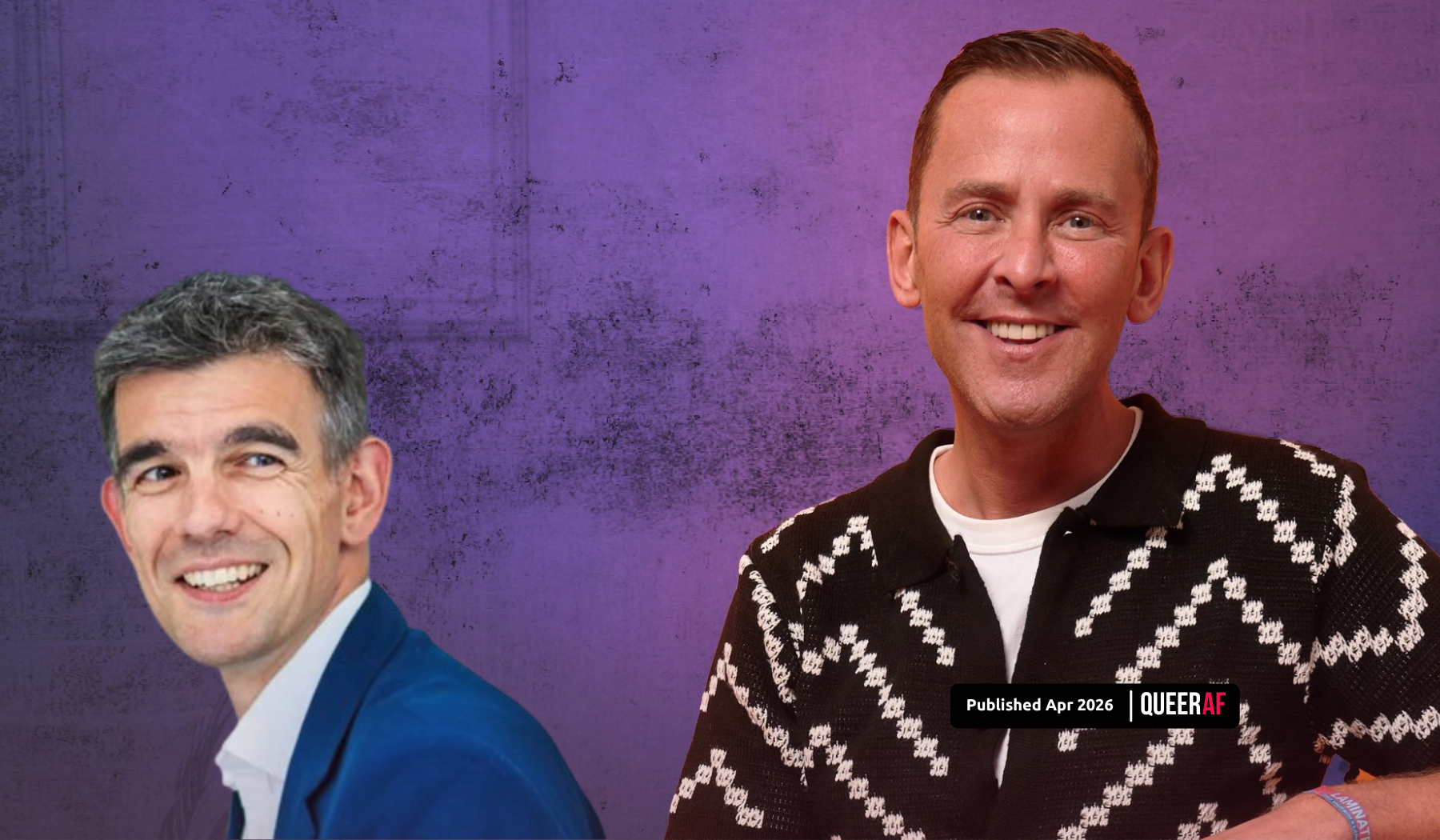
Scott Mills, one of the UK’s most prominent gay broadcasters, was sacked last week in relation to a police investigation into alleged sexual offenses against a teenager.
The investigation took place between 2016 and 2019, and related to events in the late 1990s, when Mills was in his 20s and the alleged victim was under 16. The Crown Prosecution service eventually decided there was not enough evidence to pursue charges - Independent
Since last year, Mills has been the host of Britain’s most popular radio breakfast show, on Radio 2, after presenting his own show on Radio 1 for almost 20 years. He was on a salary of over £350,000 at the BBC - Sky News
The BBC said in a statement that it made the decision to fire Mills after it received “new information” about the age of the alleged victim. It was made aware of the investigation by police back in 2017 – although the then-Director General was reportedly not told – but apparently did not receive full details. It has now decided to take action in line with its new ‘zero tolerance’ internal culture policies - BBC
The new scandal comes as Tim Davie finished his term as BBC Director General this week, after having announced his resignation back in November - Guardian
The facts of the case
Mills’ last appearance on the Radio 2 breakfast show was on 24th March. He was replaced by another DJ for the rest of that week, without a reason being given.
Then, on Monday this week, the BBC announced that he had been fired in relation to the Metropolitan Police investigation.
The Met released their own statement on Tuesday, confirming that they held an investigation into alleged sexual offences against a teenage boy between 1997 and 2000. They said the investigation started in 2016, that the BBC were informed in 2017, and that the Crown Prosecution Service ultimately dropped it in 2019 because the findings did not meet the ‘evidential threshold’ required to bring charges.
The BBC confirmed on Wednesday that it was aware of the investigation in 2017, but did not know about the age of the alleged victim until it received “new information” in recent weeks. It chose at that point to act “decisively in line with its culture and values” and terminate Mills’ contract.
Mills made his own statement shortly afterwards, confirming that he was the subject of the Metropolitan Police’s investigation, and declining to make further public comment.
Analysis: What does this mean for the BBC?
Following a number of other scandals in recent years, the BBC claimed that it was making serious changes to its internal culture policies. It seems to be standing by those reforms in this case, although this week’s events still raise questions about how it handles claims like those made against Mills.
Ultimately, scandals like these get in the way of the many good journalists and broadcasters at the BBC who want to serve the public. BBC leadership owes it to them to handle these moments right in future.
So who have they chosen to succeed Tim Davie as Director General and lead them into that future? Matt Brittin, a former Google executive with no editorial experience - Guardian
Commentators suggest that his appointment may have been made with an eye on the upcoming renewal of the BBC’s Royal Charter in 2028. The Corporation will need to make a strong case for its continued value as it negotiates that Charter with government, to determine how it is funded for the next decade. Brittin could be the savvy negotiator it needs – or perhaps he is simply the best of the rest that the BBC were left with, after several preferred candidates were ruled out - Guardian
Brittin’s 18-year stint at Google does raise some questions about his priorities, and even potential ties to government. The big tech company reportedly spent tens of thousands lobbying the Labour party before they came to power in 2024; more recently, along with Meta, it has been found guilty of intentionally designing products to prey on the mental health of vulnerable young people. Brittin himself has been an outspoken proponent of generative AI technologies, which have been found to perpetuate anti-LGBTQIA+ sentiment and other forms of bias - The National
Scandals like the sacking of Scott Mills shouldn’t distract us from one important truth: effective public service media is a real good for society. Without it, our media landscape would be even more influenced by corporate interests than it already is.
As the BBC approaches a key moment with the Royal Charter renewal, its journalists and audiences – not least LGBTQIA+ listeners and viewers – deserve a reformed beeb that can live up to their needs.

Bridging the accountability gap.
Amid ongoing trouble at the BBC, and Ofcom’s continual failure to regulate transphobia in the right-wing media (see below), it’s extremely apparent this week just how much we need independent LGBTQIA+ media.
It was Transgender Day of Visibility this Tuesday, and this month marks one year since the Supreme Court’s seminal, deeply flawed ruling on the Equality Act. QueerAF was the only publication to deliver trans-led reporting on that story, which is still having massive, widespread repercussions for the Trans+ community and wider society a year later.
That work is sorely needed in our current media landscape – and we can’t do it without your support.
Our newsletter is here, every Saturday, helping you make sense of the fast shifting landscape. So you can understand how to fight back.
If you find it valuable, please upgrade to a paid membership today, and fund our Trans+ led journalism, written through and with investment in LGBTQIA+ reporter's careers.