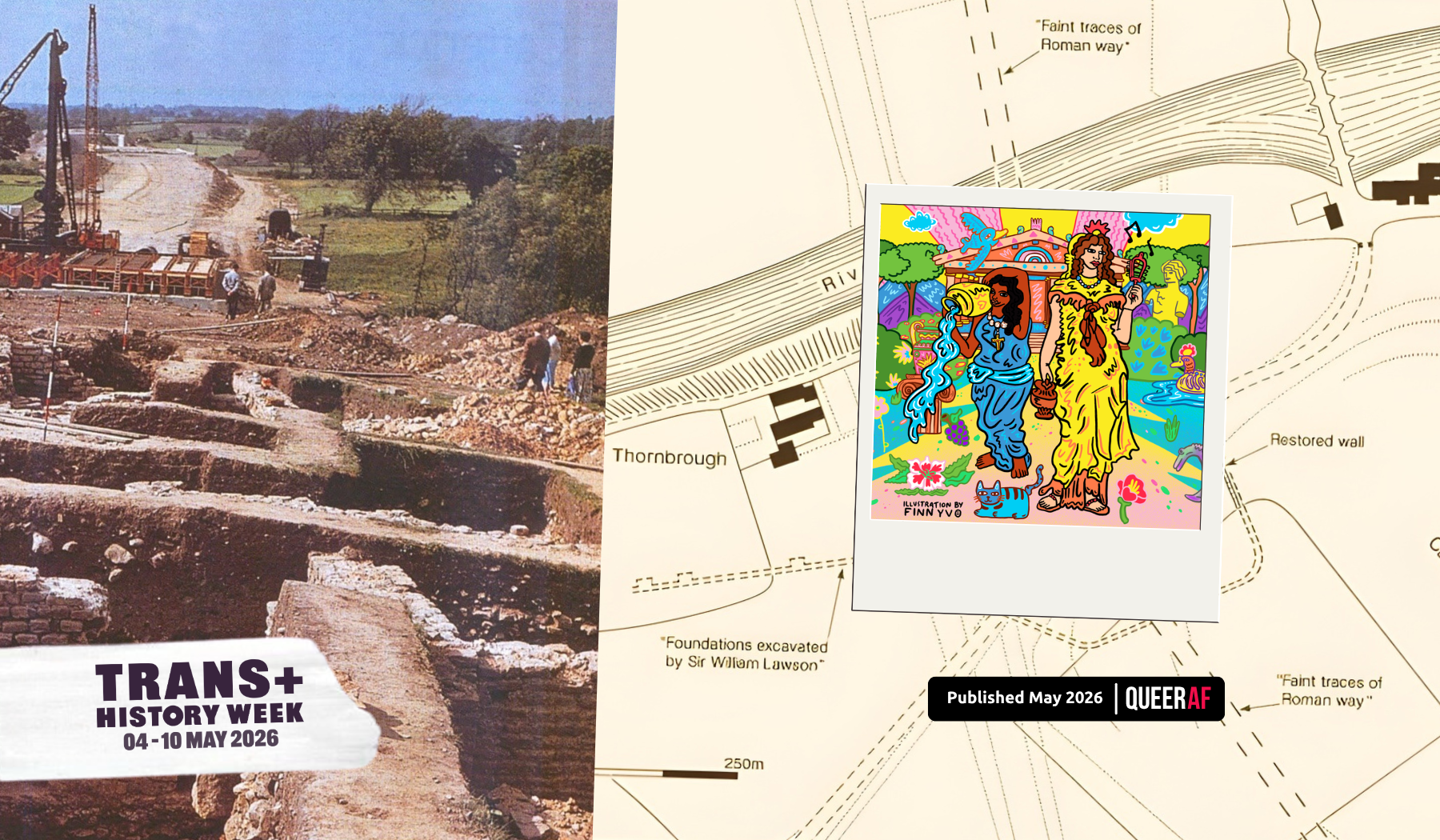


The UK’s Trans+ community is under widespread attack from false narratives in the media, from politicians and increasingly in the judiciary. So much of this is born out of a falsehood and a widely disproved lie that being Trans+ is a modern contagion. History tells us otherwise, backed up by archeological digs, from Roman Britain.
The Gallae were a group of transgender priestesses in ancient Rome devoted to the goddess Kybele. Our earliest evidence for them in the Roman state goes back to 215 BCE, where they were brought to Rome from Pessinus, in modern-day Turkey. -Livy XXIX.11
From there, they seem to have spread throughout the Roman world, even to the far edges. That includes Britain.
Rome was in control of most of Britain from the 1st to the 5th centuries CE. During that time, the island was cultured and cosmopolitan, with people settling there from across the ancient world. Roman religious life spread there as well, including the worship of Kybele. So it’s not surprising to learn her Gallae were there as well.
The modern village of Catterick, in North Yorkshire, was originally a town of the Brigantes, a pre-Roman British culture. -Ptol. Geog. II
The Romans turned it into a fort town called Cataractonium around 70 CE, but eventually it fell into ruin, like many other Roman sites in Britain. Beginning in 1958, a number of excavations have been done at the site. - Millett
During those excavations, archaeologists have found some wonderful artefacts there, including a bath complex, houses, temples, workshops, and quite a bit more. -Wilson I 84-97
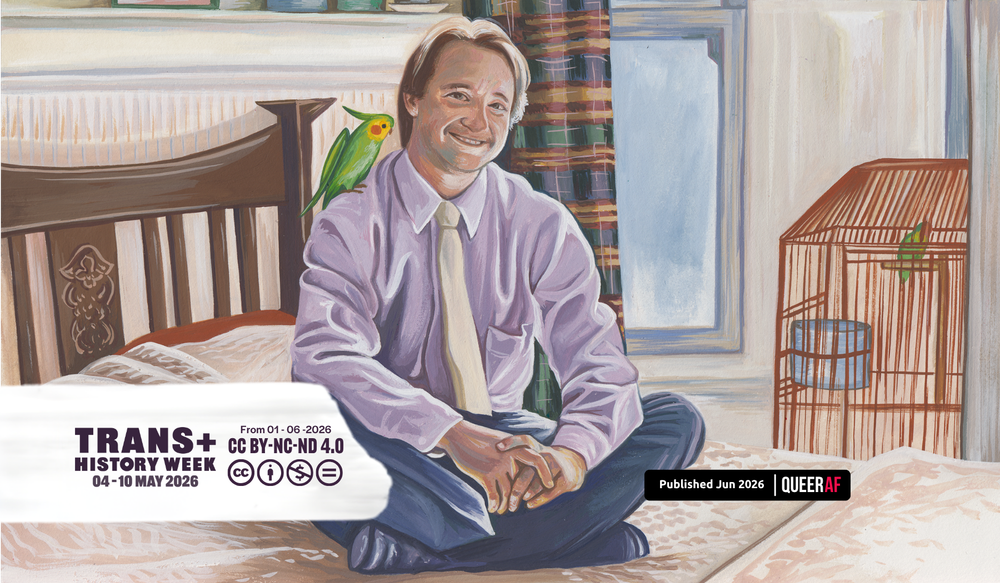
They also found quite a few graves. The grave we're interested in today is grave 952, and skeleton 951 found within. Radiocarbon dating tells us it dates to between the 4th and 5th centuries CE, or the twilight of Roman rule in Britain. - Wilson II 384
The skeleton we found was buried with a beaded necklace and bracelet, both made of jet, a shale armlet, and a bronze anklet, among other things. These are distinctively feminine pieces of jewellery, so archaeologists at first assumed this was the grave of a local woman. -Cool 2002
However, DNA analysis later revealed skeleton 952 to be what we might call assigned male at birth. This was confusing at first. Roman men didn’t wear this type of jewellery. But the Gallae did.
Several Roman writers, including, St. Augustine, Ovid, and Firmicus Maternus, have told us they wore makeup, women’s clothes, feminine hairstyles, and jewellery. - Vermaseren 97

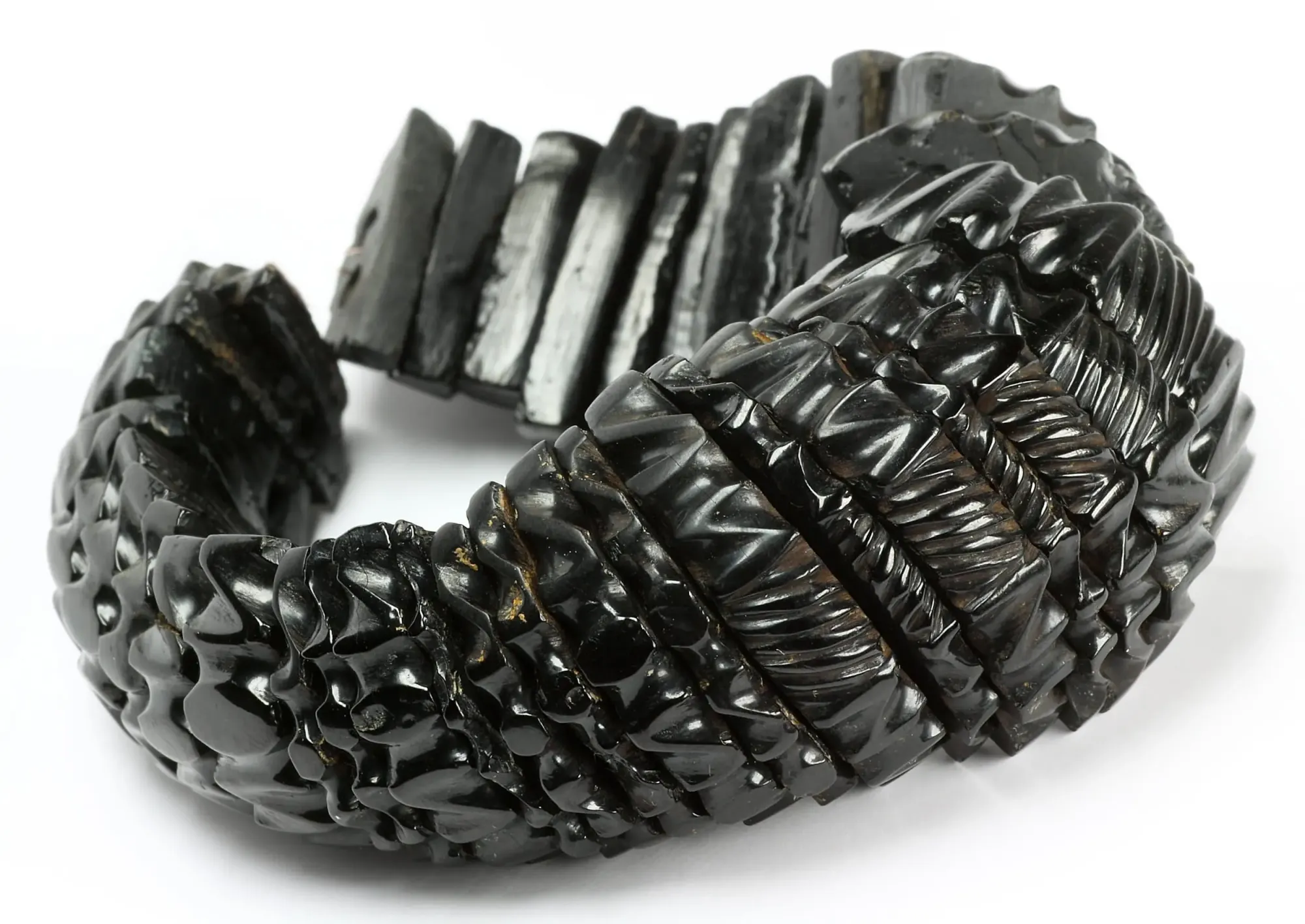
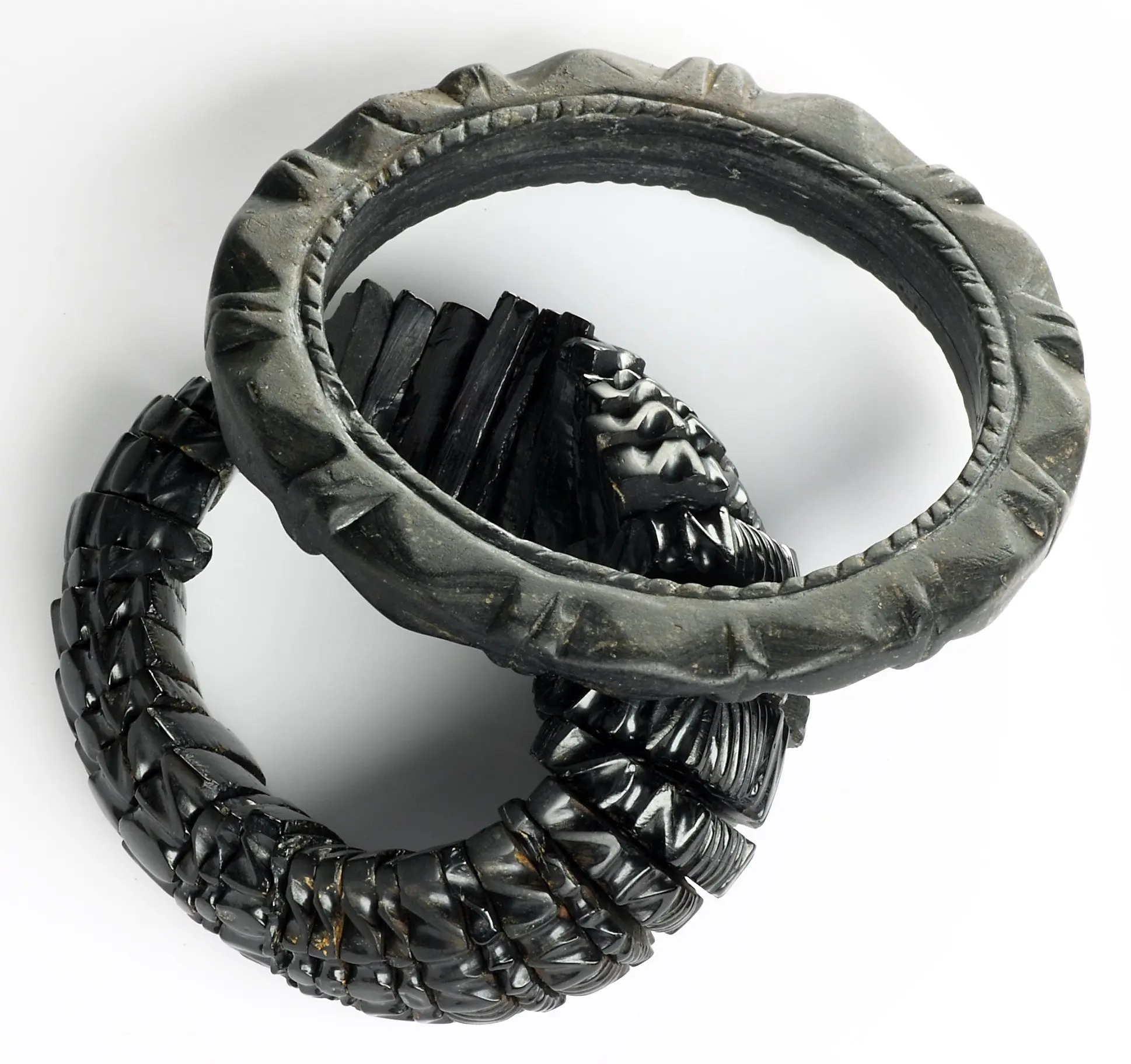

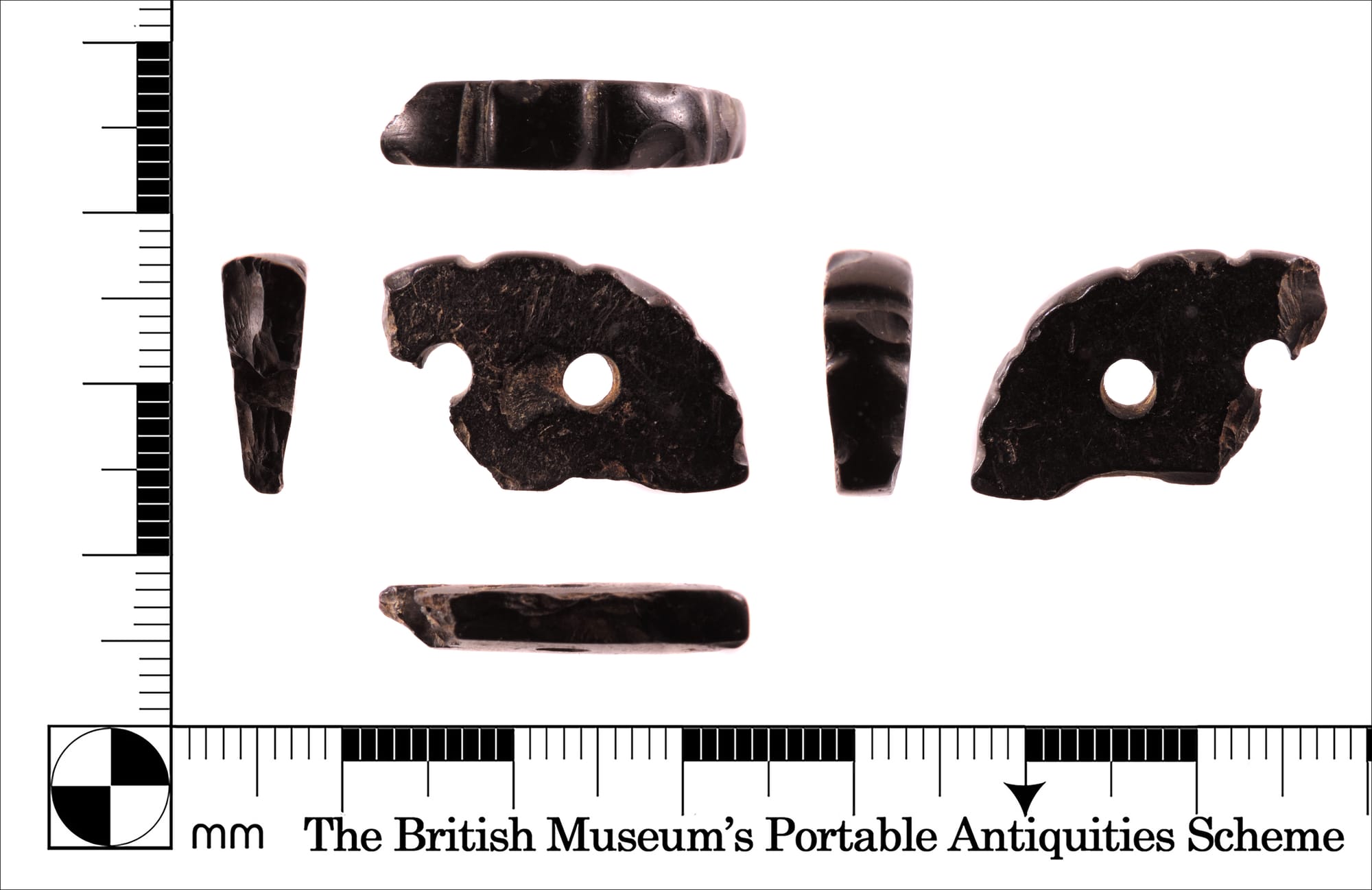
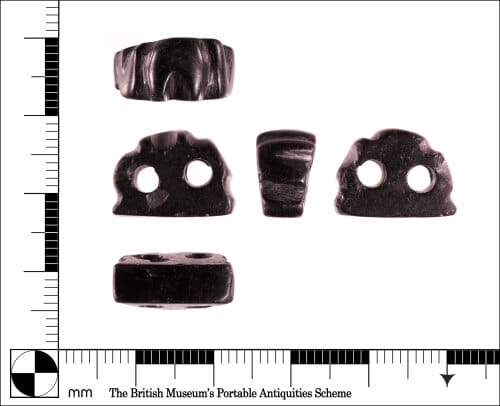

Most of that, of course, would have long since rotted away. But based on what survives, we can see this is the grave of an effeminate person who was assigned male at birth. Comparing what we know of skeleton 952 with what we know of the Gallae, it’s reasonable to conclude this is the grave of a Galla priestess.
This statement is controversial only because of the nature of such claims. However, the archaeologists who actually did the excavating seem to largely be in agreement that this is a reasonable conclusion. - Cool 18, Wilson I 178
This isn’t the only one that's been found, either.
A similar grave was also found at Hungate, York, about 60 kilometres from Catterick. It had similar jewellery, and similar evidence tells us this was also a Galla priestess. It’s also roughly the same age. -York Archaeology
Analysis: What can we learn from this history?
These aren’t the only Trans+ graves we’ve discovered in the world, nor are they the oldest. But in an era where transphobia is rife in Britain, often driven by disinformation, there is value, hope and heart in knowing the story of these graves.
It’s a beautiful thing to see the remains of gender diverse and Trans+ people who came before us. But what we’ve seen today can tell us far more than that. They tell us that our roots in Britain go far deeper than the anti-trans movement, who can be increasingly linked to moneyed interests.
They tell us that despite the nonstop propaganda decrying us as an aberration, people like us have been part of the human story for millennia. The more we explore transgender history, the more we realise just how universal an experience ours is.
Across time, across cultures, across borders, we’ve been a part of the human story for as long as humans have been around to tell that story.
As I gaze into the remains of these graves, though we’re separated by thousands of years and kilometres, I know I’m looking at our sisters. But more than that, I know I’m looking at yet more evidence of the truth.
The truth is that we have always existed.
And so long as humanity continues to endure, so too shall we.
Trans+ History Week will play a part in the fight back against anti-trans narratives - but it's not for them.
It's for us, to celebrate our history. It's for the over 20 Trans+ creative talent who have been paid, mentored and provided with equipment. It's for you, to take power from our history of enduring resilience.
We've run this initiative as an investment in the community and its beautiful creative talent - so we can help Trans+ journalists build media careers.
So much of what we think and feel comes from the media, and its a huge part of the reason anti-trans rhetoric has become normalised. That's why if you can change the newsroom, you can change the country.
As a not-for-profit, we reinvest everything into this mission - and mentoring schemes like we run for Trans+ History Week. That's why we need your help.
QueerAF's biggest source of revenue is from readers like you and our newsletters are ad-free. It helps us focus on our work, instead of chasing clicks for advertisers.
So please join as a QueerAF member now. Help us invest in Trans+ creatives to give our community the history lessons it needs - to win the fight back.