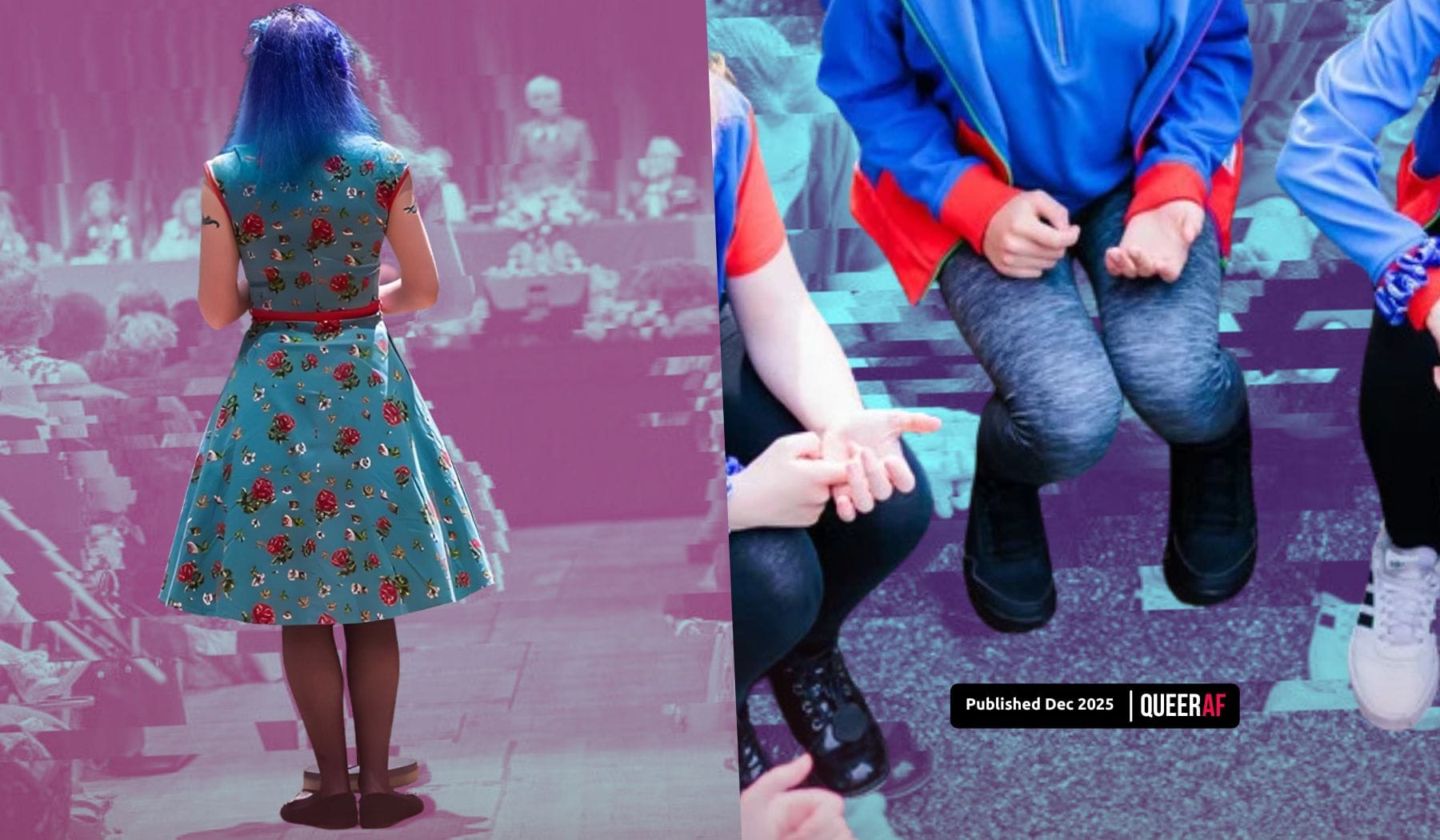

TL;DR: Within one day of each other, the Women's Institute and Girl Guiding both announced they would reverse their trans-inclusive approaches with the “utmost regret and sadness”, citing communications with "references to legal challenge" as one of the reasons as their response to the Supreme Court decision on the definition of a woman under the Equality Act 2010.
Two culturally significant women's organisations have reversed long-standing trans-inclusive approaches this week, citing "references to legal challenge" as one of the reasons.
The Women's Institute and Girl Guiding both announced this week that they would no longer accept trans women members into their organisations. Significantly, both did so while citing the threat of legal action.
The WI's chief executive Melissa Green said the organisation made the change with the "utmost regret and sadness" saying that following the Supreme Court’s April ruling on the definition of ‘woman’ in the Equality Act it had "no choice" but to exclude trans women from its membership - The Guardian
She added that there had been “reference to legal challenge” in communications the WI had received from external sources, and that "the message we really want to get across is that it remains our firm belief that transgender women are women, and that doesn’t change." The ban will come into force in April next year, just shy of a year from the ruling.
Girl Guiding's ban comes into force as early as next week, with guidance set to follow on what this means for Trans+ youth who are already part of groups. The organisation runs Rainbows, Brownies, Guides and Rangers groups for 300,000 young people across the UK - The Independent
The group was facing legal action from a gender-critical mother, who said it wasn't 'safe' for her daughter to join groups with Trans+ inclusion for volunteers and members - GB News
Both organisations have now also confirmed that trans men will be able to join the associations, because the definition of ‘woman’ has been restricted to the sex people are assigned to at birth by the ruling.
Speaking to QueerAF, Dr Victoria McCloud, a former Supreme Court judge who is preparing to challenge the Equality Act ruling in Europe, said these decisions were "yet another example of an organisation having been pressured, wrongly, into a misinterpretation of the Supreme Court Judgment".
Warning that a number of organisations are already facing legal challenges themselves for adopting trans-exclusive approaches, she added that "Lord Hodge, the author of the Judgment, said that the case before the court had nothing to do with how or where single-sex spaces should be created, [and] that the Minister for Equalities in the last couple of weeks argued forcefully in court against a blanket-exclusionary trans ban based on the Judgment."
Helen Belcher, Chair of advocacy organisation TransActual, said that if changes must be forced on organisations that have been happily trans inclusive for decades, "then it's clear this is the result of a handful of extremists imposing their views on groups."
Belcher called on the government to urgently rectify the situation before more charities and national institutions are forced to adopt discriminatory policies that go against their values. She shared the concern that the changes were "costly and unworkable" for charities and venues who "cannot afford to take legal advice or fight off vexatious claims."
The Good Law Project have repeated their warnings that approaches that exclude Trans+ people, putting them in the “intermediate zone” where they are treated as not quite one or the other gender, could violate European law or even constitute a criminal offence.
Analysis: A growing mission creep from the intention of the ruling
Putting aside the flawed logic of the ruling being made without any Trans+ people testifying, the judges in the Supreme Court said that the ruling does not, and should not, lessen trans people’s rights.
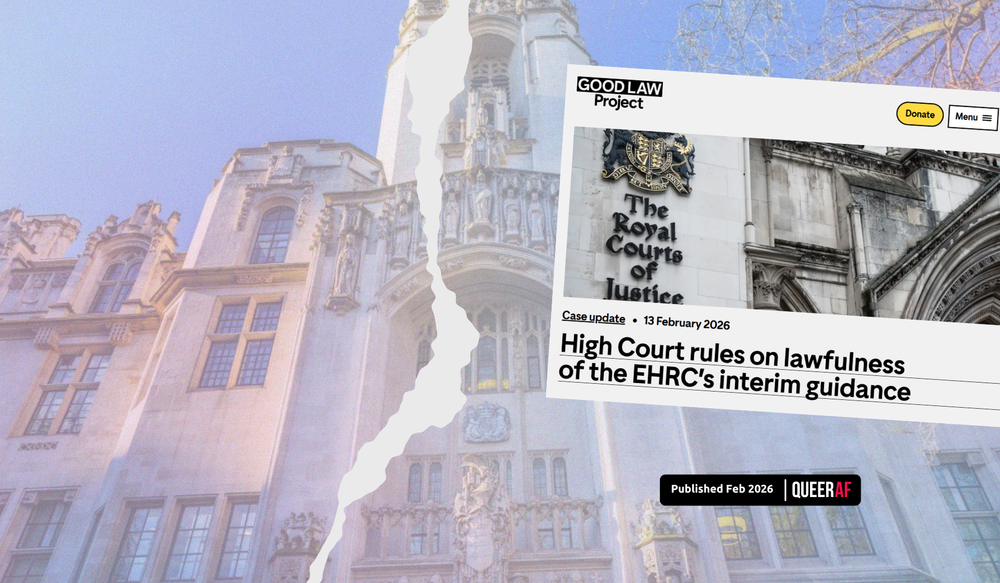
Of course, the impact of it has been far from that puported intention. This was amplified by the hastily provided advice from the EHRC - now awaiting a judgment on its legality - which promoted a trans-exclusive interpretation of the ruling and which courts have heard was written in less than 24 hours.
The growing mission creep of this ruling continues to blow a narrowly focused ruling on the definition of a word in the Equality Act out of proportion. Instead it has become a tool for anti-Trans+ campaigners to push a hateful, prejudiced narrative that seeks to force Trans+ people out of society.
And anti-Trans+ organisations can now force that interpretation onto organisations like the WI and Girl Guiding because they have the money and support of an international anti-rights machine. Studies show that a wave of anti-rights movements are often funded by the same groups, whether they are campaigns against abortion rights or promoting conversion therapy. They operate on a scale incomparable to the small, under-resourced organisations that care for Trans+ inclusion.
If two of the UK's most prominent women's charities can't fight these forces, then this could be a watershed moment for Trans+ rights, with a significant impact on how the rest of the sector responds.

To beat misinformation we need a well resourced queer led newsroom that can cut through the noise and get to the facts.
Our publisher is small, but mighty, and that's because of some key principles in the way we produce news for you:
- This newsletter always has been, and always will be, free of adverts. That keeps us focused on what counts, not what drives clicks
- Readers and members drive our news agenda, because that's what our community deserves: news told both by and for us
- Investing in a new generation of queer journalists, and packing the media full of us, is the best way to address the issue in the sector. Meanwhile, we'll model the change we want to see and prove it's possible to do justice to our community's stories
Journalism is an expensive craft. It takes all week to put together this newsletter, so you can catch up on the queer world in five minutes. And we do that alongside mentoring creatives and lobbying the media sector.
If you believe in our unique model and the change we're bringing to the queer news sector, please upgrade today if you can - and help us continue to grow.
Help us change the media, so we can change the country.