
TL;DR: An early day motion calling for a code of practice which could segregate Trans+ people in public services to be disapproved is gathering support, with nearly 100 MPs across parties including Labour signing. However, it would still take a complex set of circumstances to occur for it to be stopped.
93 members of parliament have signed an early day motion calling on the EHRC’s new code of practice, which could make segregation of Trans+ people the norm, to be disapproved.
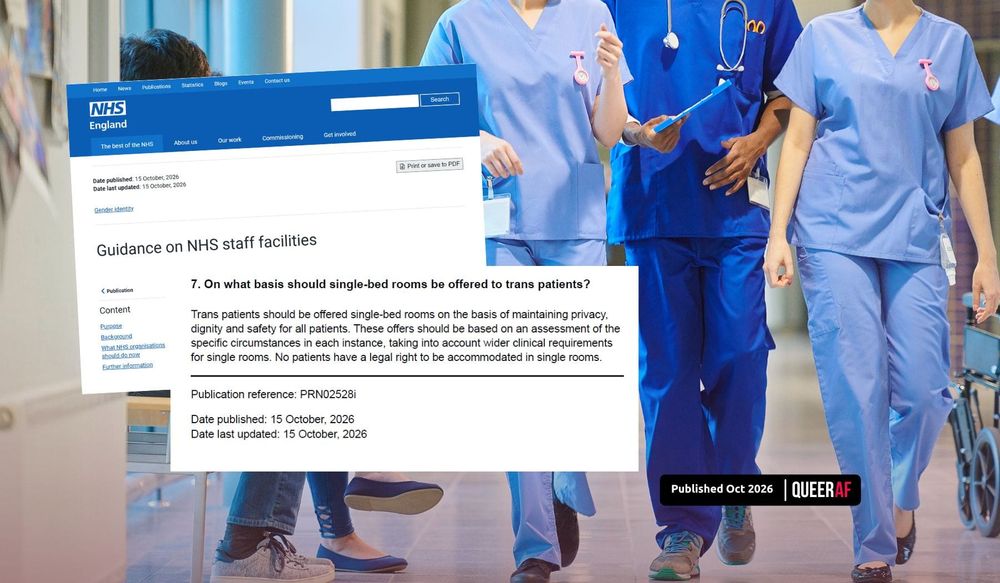
The motion, tabled by a cross-bench coalition of MPs, follows condemnation of the code by political parties. The Lib Dems called it "not fit for purpose", while the Greens described it as "impractical, intrusive and inhumane", with Green leader Zak Polanski adding to calls for it to be rejected. The code has also been condemned by a coalition of European LGBTQIA+ rights groups for intensifying the exclusion of trans people - TGEU
The motion is short, simply saying "that the draft Code of Practice for Services, public functions and associations, a copy of which was laid before this House on 21 May, be disapproved." The Code of Practice was written by the Equality and Human Rights Commission, the UK's equality watchdog, and laid before Parliament on Thursday May 21st, beginning a 40-day period before it comes into force – unless Parliament disapproves it - QueerAF
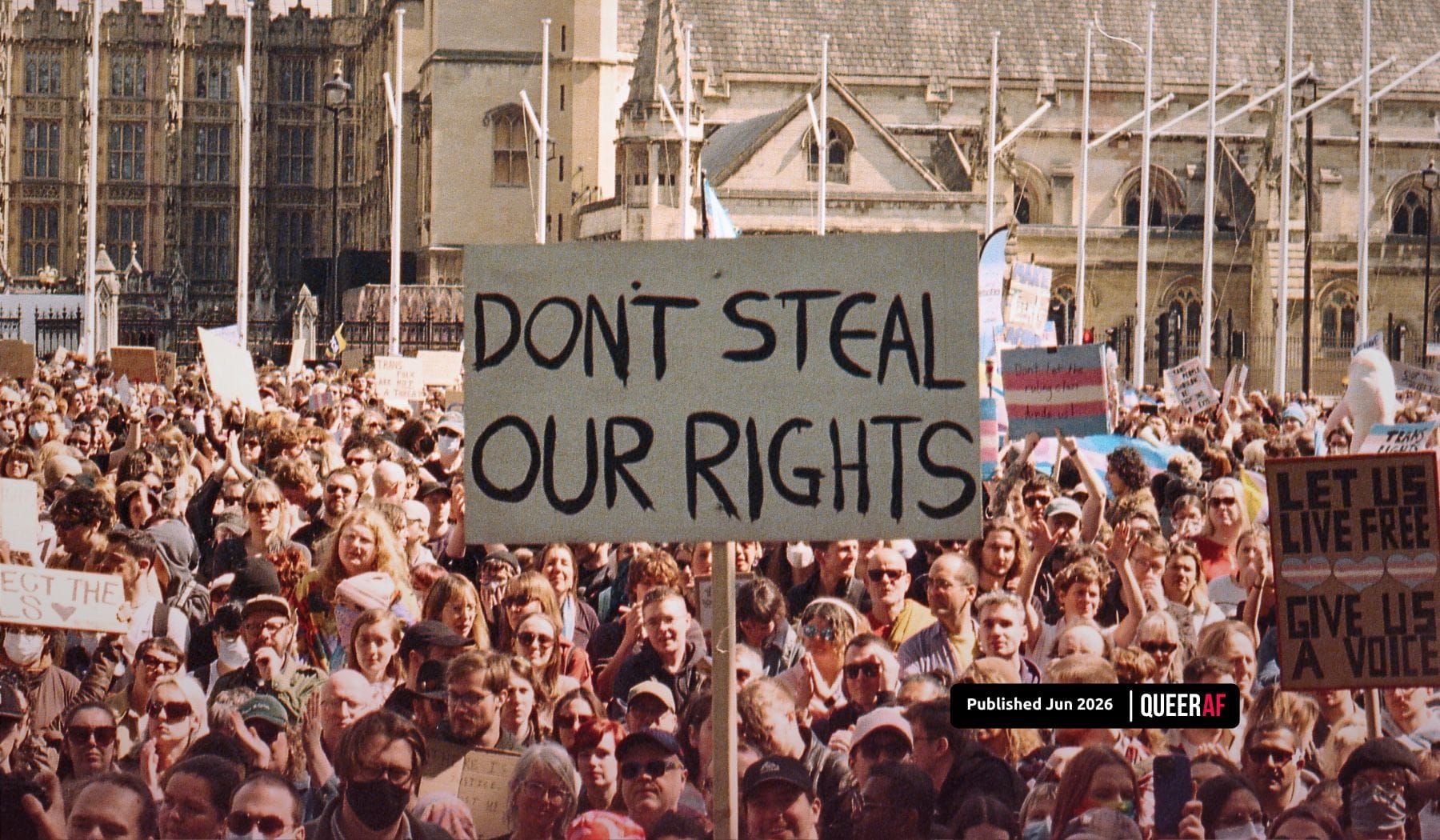
The code has been widely decried by Trans+ groups as a framework that will "force Trans+ people out of public life" and a charter that appears to have "weakened protections for the LGBTQ+ community as a whole" - QueerAF
Can MPs stop the EHRC Code of Practice?
The mechanism for stopping the code from coming into force is through a motion like this EDM, which has gathered support from 14% of MPs so far. However, even if it gathers the support of a majority of MPs, this does not guarantee it will be disapproved.
For this to happen, a debate would need to be tabled, and a vote held. Time for this in either house is largely granted at the government's behest, but it could also be tabled on opposition day and through other less common routes.
What the EDM does do, however, is create political pressure on the government to reject the code if it believes a significant proportion of the House is against it.
Where does Labour stand on the EHRC Code of Practice?
In a statement to the House this week, Seema Malhotra, Parliamentary Under-Secretary of State for Equalities, said that Labour was proud of being the party that passed the Equality Act and would not “weaken it”, adding that Labour refused to use any community as a "political football".
In the same statement she went on to say that the code does not provide “the right for members of the public to challenge one another on their sex and their access to those spaces", but seemed to signal this would be permissible in single-sex spaces regardless by adding that "most people have the common sense to step in when necessary, for example when a person of the opposite biological sex enters a single sex facility in error - and when to alert a member of staff."
The Trans+ Solidarity Alliance said the comments were an "extraordinarily inflammatory and dangerous contribution," adding that the government is at risk of ushering in "a dark era of people being challenged for their compliance with gender stereotypes."
Malhotra also dodged a question by Nadia Whittome MP, who said the code does not allow services to be trans-inclusive, by responding that associations could be. This continues the lack of clarity over whether a service that sought to provide for both 'biological' women and trans women could be permitted under the new code.
Analysis: Lost fights don’t mean we can't win in the long term
There is a high bar to clear in Parliament to stop the code from entering into effect. It requires the will of the government to intervene, or an extremely broad coalition of opposition MPs and rebel Labour representatives to come together to halt the code.
But that does not mean that calling for MPs to support the EDM is a wasted activity.
Speaking to Trans+ groups following the code's release, it was clear that the fight ahead would likely now take place not only at the legal level but also at the local level.
Nonetheless, in just a few days this motion has received 14% of MPs' support, despite being in a Parliamentary format that rarely attracts more than a few signatures.
The fight against the code of practice is only just beginning.

We need more investment in queer accountability journalism.
Our rights are under attack, and navigating how to fight back is only possible with quality, fact-checked, accessible information - written by LGBTQIA+ journalists.
We're a small but mighty publisher, and are so glad you trust us every week to bring you a selection of the top queer news, unique perspectives and content everyone's talking about in this newsletter.
If QueerAF had more resources, I can assure you - we'd double down even further on our investigations and news output, but even more so: We'd train, mentor and invest in an even bigger new generation of queer journalists.
In just four years, we've supported 150 LGBTQIA+ creatives to develop their craft and careers.
We're not going anywhere, and that work continues.
We can't do it without you, so if you can - please start your monthly or annual membership to QueerAF, so we can help even more people fight back.