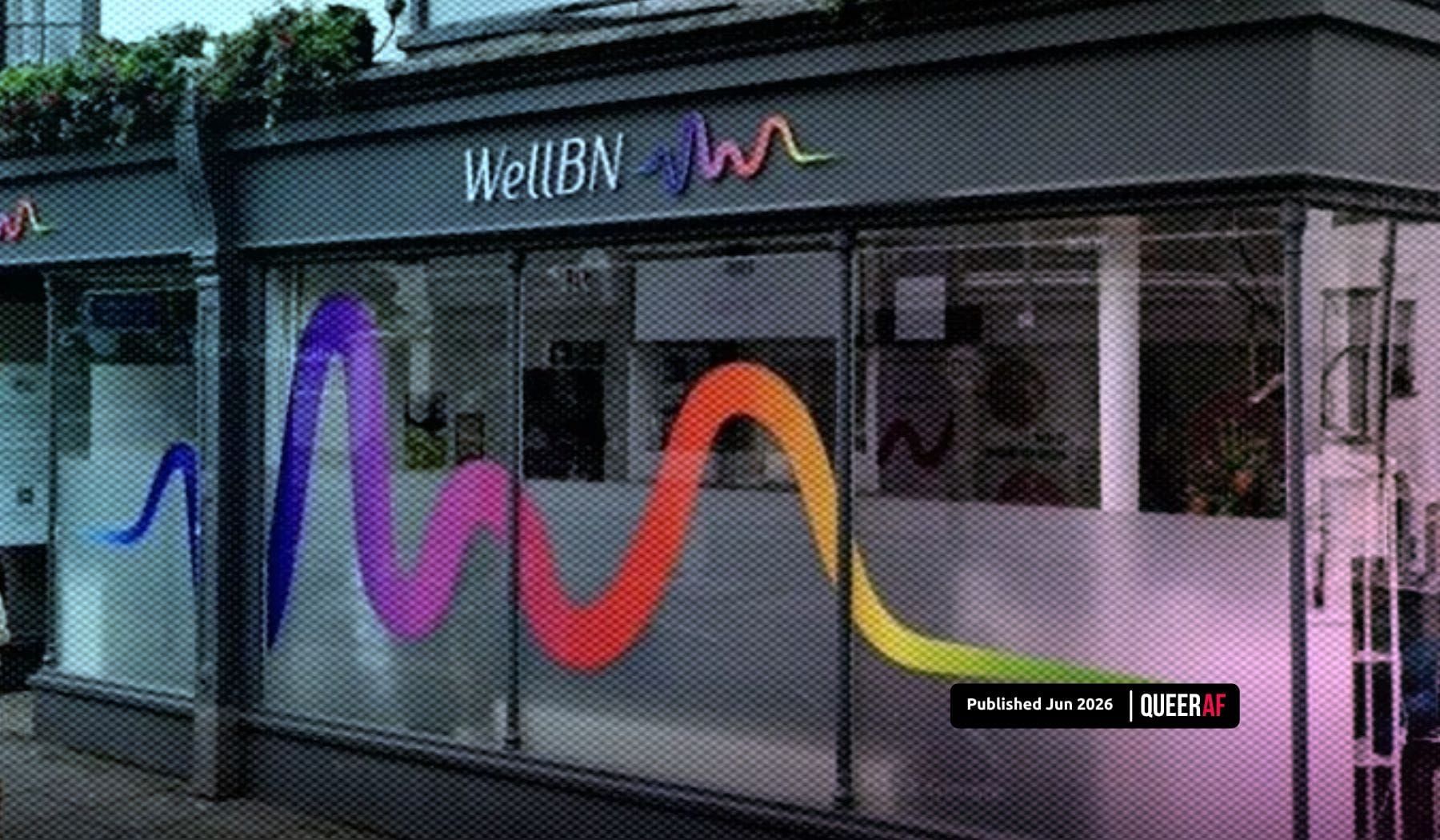

TL;DR: A report into the WellBN GP service has concluded that the service "was inappropriately prescribing medications" including puberty blockers and hormones to children and young people “for the clinical indication of gender dysphoria”. However, it noted that the practice "does appear to have alleviated the distress of many of the 78 children and young people in the short term."
An Independent Patient Safety Investigation into the prescribing practices at WellBN GP practice in Brighton and Hove has found "potential harm" after it was "inappropriately" prescribing medications to children and young people for "the clinical indication of gender dysphoria". However, the report notes that this practice "alleviated the distress" of many of the 78 children who were the focus of the investigation.
The report, however, is deeply critical of the GP Practice, finding it fell "far short of what could be considered safe or appropriate" by providing care that was not part of a commissioned NHS pathway. It also noted that the context of these actions by the GP was prolonged waiting times for NHS specialist gender services.
The Investigation found a lack of record keeping, assessments and endocrinology input as its main reasons for concluding that the GP's approach "increased the risk of moderate to severe physical and psychological harm".
This conclusion was made in the same section which set out how the review heard from parents that access to its service was "life-saving". The report notes families said their children "were presenting with suicidality and dysphoria, which represented a risk to their life as well as their social and psychological development".
Families fear this amounts to a withdrawal of care
Families affected by the decision have told QueerAF that outcome letters from the Investigation are beginning to arrive.
They've shared deep concerns that these letters "contain serious factual inaccuracies" and provide no clear route to correct or challenge the information.
QueerAF understands that the outcome letters shared with the affected parent group so far all indicate that the medication the children were receiving under WellBN care will either end or cannot continue to be prescribed by WellBN through the NHS after 31 July 2026.
The families told us they "fear this amounts to withdrawal of care without a safe equivalent pathway."
The letters direct families to the NHS Children and Young People’s Gender Service and wellbeing support, as a provision for those concerned about the withdrawal of care.
However, the families say that while emotional support may be helpful, it "cannot replace safe healthcare or a clear prescribing plan where stopping medication may carry clinical or safeguarding risks."
The parents also told QueerAF that reporting of the story has not reflected the reality of the families directly affected, "because it has not centred the voices of trans young people who need affirming care or the parents trying to keep them safe."
Analysis: A closed-door review with fears care will end
At the heart of this report are 78 young Trans+ people supported by loving families who want to ensure their children grow up in a world free of prejudice and harm, with the support they need to be healthy and happy.
Considering the timing of this, too, many children will be getting these letters just ahead of critical exam periods. Parents say this shows, at minimum, a serious lack of regard for the emotional and safeguarding impact of the process on the children affected. They believe the report and outcome letters minimise the harm families have reported and fail to reflect the reality of what children and parents have endured, especially given the apparent disparity between findings indicating that the support WellBN provided both alleviated distress and posed a potential for harm.
Zoom out, and it comes out at a time when the UK government has made it abundantly clear where they stand on the rights of Trans+ people. The vast majority of recent healthcare policies have been authorised by former Health Secretary Wes Streeting, who's been accused of prioritising the needs of the tiny number of people who may detransition over the needs of Trans+ people.
For now, the families live in fear of what this means for their children. Community efforts to support the children, including crowdfunding to help those who can't afford to get care through private pathways, is underway. What the families are ultimately looking for, though, is justice for their children's needs.

We need more investment in queer accountability journalism.
Our rights are under attack, and navigating how to fight back is only possible with quality, fact-checked, accessible information - written by LGBTQIA+ journalists.
We're a small but mighty publisher, and are so glad you trust us every week to bring you a selection of the top queer news, unique perspectives and content everyone's talking about in this newsletter.
If QueerAF had more resources, I can assure you - we'd double down even further on our investigations and news output, but even more so: We'd train, mentor and invest in an even bigger new generation of queer journalists.
In just four years, we've supported 150 LGBTQIA+ creatives to develop their craft and careers.
We're not going anywhere, and that work continues.
We can't do it without you, so if you can - please start your monthly or annual membership to QueerAF, so we can help even more people fight back.